Cities are shaped by movement. People arrive, settle, adapt, and in time transform the places they call home. Immigration is often discussed through the lens of policy, labour, housing, or education, but there is another dimension that deserves more attention: landscape. Parks, plazas, sidewalks, schoolyards, waterfronts, community gardens, and neighbourhood streets all influence how newcomers experience belonging.
Landscape architecture sits quietly at the centre of this story. It cannot solve immigration policy or erase social inequality, but it can help create the physical conditions for welcome, encounter, safety, and participation. In that sense, landscape architecture plays a meaningful role in integration, not by asking people to give up who they are, but by making room for many identities to coexist in public life.
Public space as the first shared ground
For many immigrants, public space is one of the first places where daily life in a new country becomes visible and tangible. A parent takes a child to a playground. A worker eats lunch in a square. Teenagers gather on a court after school. Elders sit on benches and watch neighbourhood life unfold. These spaces may seem ordinary, but they are often where people begin to understand local culture and where long-time residents encounter new neighbours.
When public landscapes are inclusive, they can lower the social barriers that often separate communities. A well-designed park can offer comfort without requiring familiarity. Clear pathways, good lighting, visible entrances, multilingual signage, flexible seating, restrooms, and spaces for informal gathering all matter. These are not decorative details. They affect whether someone feels uncertain, exposed, or welcome.
Integration is often described as a social process, but social processes need physical settings. Landscape architecture provides those settings.
Designing for belonging, not just access
It is tempting to think of inclusion as a checklist: add ramps, add signs, add play equipment, and the job is done. But belonging goes deeper than access. A space may be technically open to everyone and still feel coded for only some users.
Landscape architects have an opportunity to ask more thoughtful questions. Who feels comfortable lingering here? Who is visible in the design language of this place? What cultural practices are supported, and which are unintentionally excluded?
In many immigrant communities, social life happens collectively and across generations. A park designed only for individual exercise or passive recreation may miss that reality. Spaces for extended family gatherings, communal cooking, open lawns for celebration, shaded seating for elders, and informal play can make a site more relevant to the people who actually use it. Similarly, planting design, public art, water features, and material choices can reflect multiple cultural histories without reducing them to symbols or stereotypes.
The goal is not to create themed spaces that “represent diversity” in a superficial way. It is to design landscapes where different ways of gathering, resting, celebrating, and remembering are genuinely supported.
Community participation as a form of integration
One of the most powerful roles landscape architecture can play is not only in the finished design, but in the design process itself. Participatory planning can become a form of civic inclusion.
Immigrant communities are often underrepresented in planning conversations for predictable reasons: language barriers, distrust of institutions, unfamiliarity with public consultation processes, work schedules, childcare demands, or fears related to legal status. If engagement relies on a single evening workshop in technical language, many voices will be absent before the conversation even begins.
Landscape architects can help change that. Outreach in multiple languages, partnerships with trusted community organizations, workshops held in schools or faith centres, childcare, food, stipends, and visual rather than text-heavy engagement tools can open the process to more people. When residents see their needs reflected in a design, they do not just gain a better park or plaza. They gain evidence that their presence matters.
That matters for integration. Feeling heard by local institutions is part of how people begin to see themselves as participants in public life, not just residents on the margins of it.
Landscapes of memory and identity
Immigration often involves rupture as well as opportunity. People leave behind familiar climates, sounds, foods, languages, and landscapes. Public space can help soften that rupture.
Community gardens are a clear example. For many immigrant families, growing food is not only practical; it is cultural and emotional. Gardens can preserve culinary traditions, create intergenerational exchange, and provide a sense of continuity in unfamiliar surroundings. The same is true of orchards, medicinal planting, and gathering spaces connected to seasonal rituals or festivals.
Landscape architecture can also support memory through commemorative spaces and everyday design gestures. A plaza that hosts cultural events, a waterfront walk that includes stories of migration, a schoolyard mural integrated with planting and play, or a neighbourhood square designed in collaboration with local communities can acknowledge that migration is part of the place’s identity, not separate from it.
These landscapes do not need to romanticize immigration. They simply need to recognize that people carry histories with them, and that those histories deserve space in the public realm.
Safety, dignity, and the right to be visible
For newcomers, especially refugees, asylum seekers, and undocumented residents, public space can feel uncertain. Fear of harassment, over-policing, discrimination, or simply standing out can shape how and whether people use a place.
Landscape architecture cannot resolve those fears alone, but it can contribute to environments that feel safer and more dignified. Good visibility, welcoming edges, comfortable seating, active frontages, accessible transit connections, shade, drinking water, and maintenance all signal whether a space is cared for and who it is meant to serve. Spaces that feel neglected often communicate exclusion.
Dignity also comes from allowing people to use space without being treated as a problem. Informal gathering, street vending, pickup soccer, picnics, and spontaneous celebration are common features of urban life in many cultures. When public landscapes are overly controlled, they can suppress the very kinds of activity that make integration possible.
A good public landscape does not demand sameness. It can absorb difference.
The risk of exclusion through improvement
There is, however, an uncomfortable truth the profession must confront: landscape improvements can also contribute to displacement. A new waterfront park, greenway, or plaza may raise property values and accelerate gentrification, often in neighbourhoods where immigrants have built social networks and cultural life over many years.
This is where the conversation about integration becomes more honest. It is not enough to design beautiful, inclusive public spaces if the people they are meant to serve are priced out soon after completion.
Landscape architects should be part of broader equitable development strategies, advocating for anti-displacement measures, affordable housing, local business support, and community benefit frameworks alongside public realm investment. Integration requires stability. People need the ability to remain in place long enough to form attachments, routines, and relationships.
Without that, landscape becomes a symbol of welcome delivered too late.
A profession with civic responsibility
Landscape architecture is sometimes framed as a discipline of ecology, aesthetics, and infrastructure. It is all of those things. But it is also a civic practice. It shapes how democracy feels on the ground.
In societies shaped by migration, this responsibility becomes even more important. The public realm is where difference is negotiated every day. It is where strangers become neighbours, where cultures become visible to one another, and where belonging is either supported or undermined.
The role of landscape architecture in immigration and integration is therefore not marginal. It is fundamental. By designing spaces that are welcoming, participatory, culturally responsive, and resistant to exclusion, landscape architects can help create communities where newcomers are not simply accommodated, but recognized as part of the shared civic landscape.
That may be one of the profession’s most important tasks today: not just to design places people move through, but to help shape places where people can arrive, connect, and belong.
EXAMPLES
Taken together, these examples show how landscape architecture can help integration by creating everyday meeting spaces, involving immigrant communities in design and stewardship, and building landscapes where migration histories and identities are visible in public life.
-
Superkilen, Copenhagen, Denmark. In Nørrebro, Superkilen was explicitly framed as a public space promoting integration across ethnicity, religion, and culture. The design team treated public participation as the driver of the project, and the consultation process brought in objects representing more than 60 local nationalities. That makes it one of the clearest examples of landscape architecture using co-design and cultural visibility to create shared civic ground.
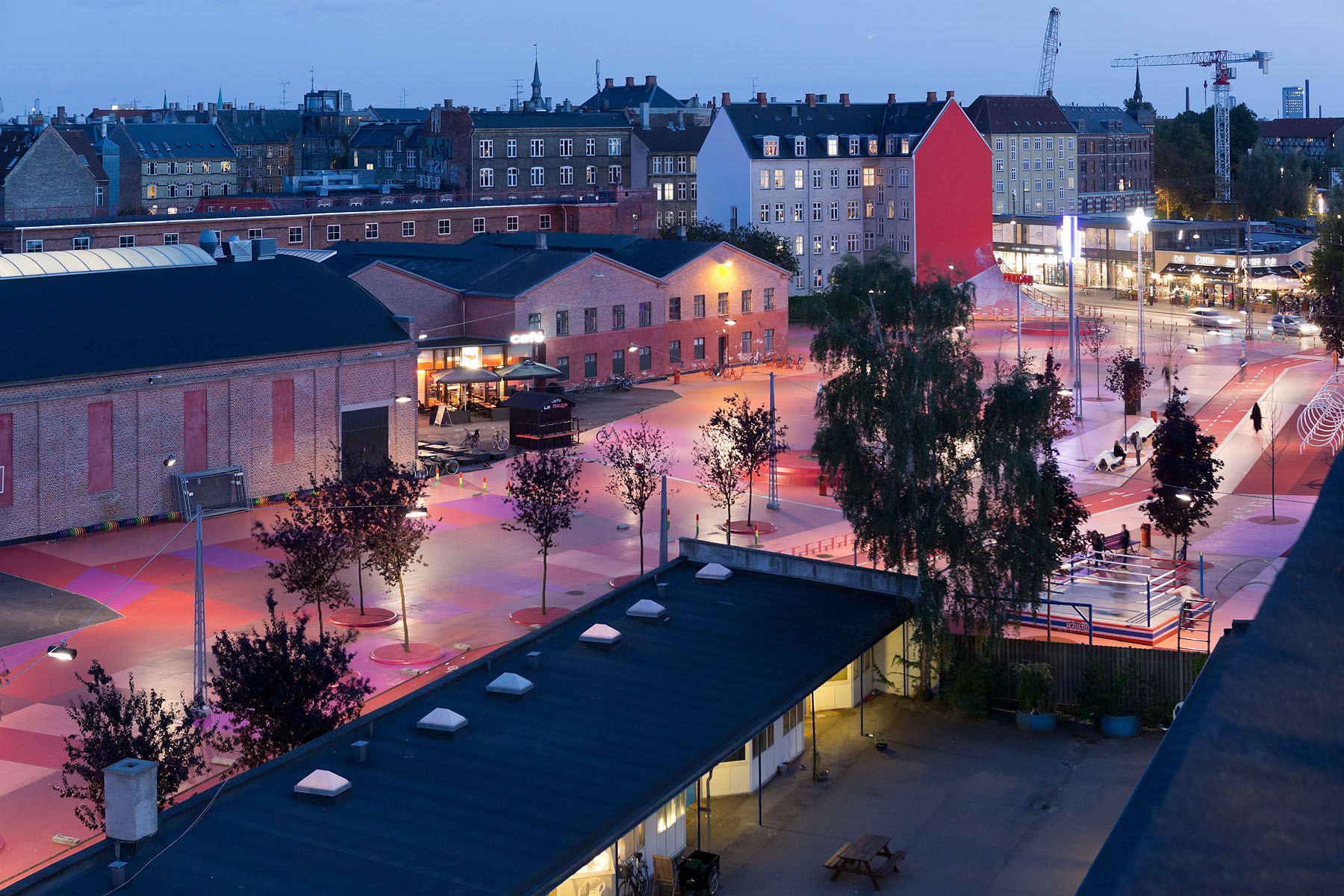
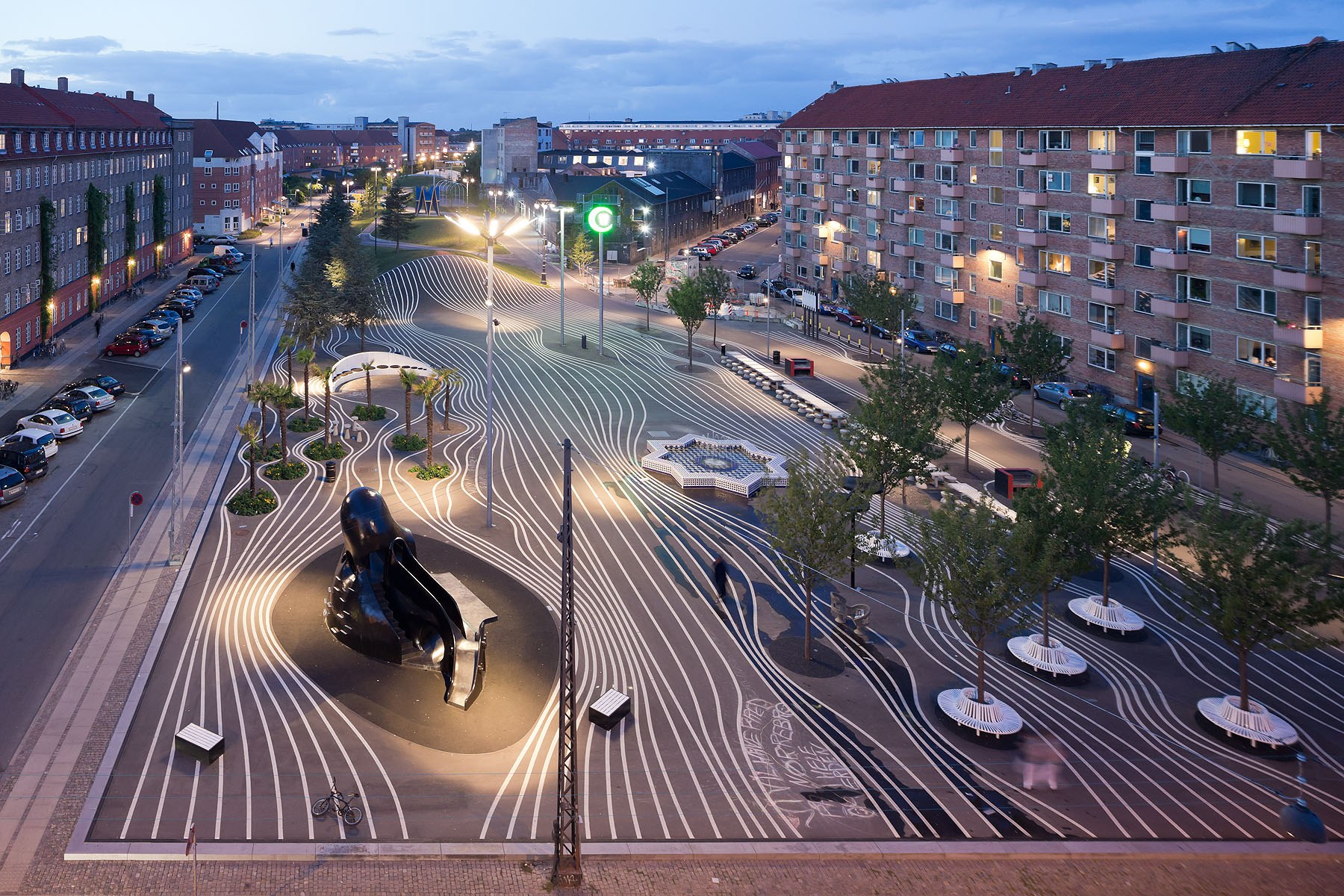
Superkilen, Copenhage, Denmark. Architects: TOPOTEK 1, BIG - Bjarke Ingels Group, Superflex (Source: Iwan Baan_archello.com)
2. Corona Plaza, Queens, New York, USA. Queens Museum’s own publication describes Corona Plaza as an effort to co- create a “dignified public space” with the neighbourhood’s many immigrant communities. City and NACTO materials show the plaza grew out of a former service road, with bilingual outreach, community workshops, public programming, and later permanent construction in an extremely diverse area with many South and Central American immigrants. Integration often happens through everyday public space, not just policy.
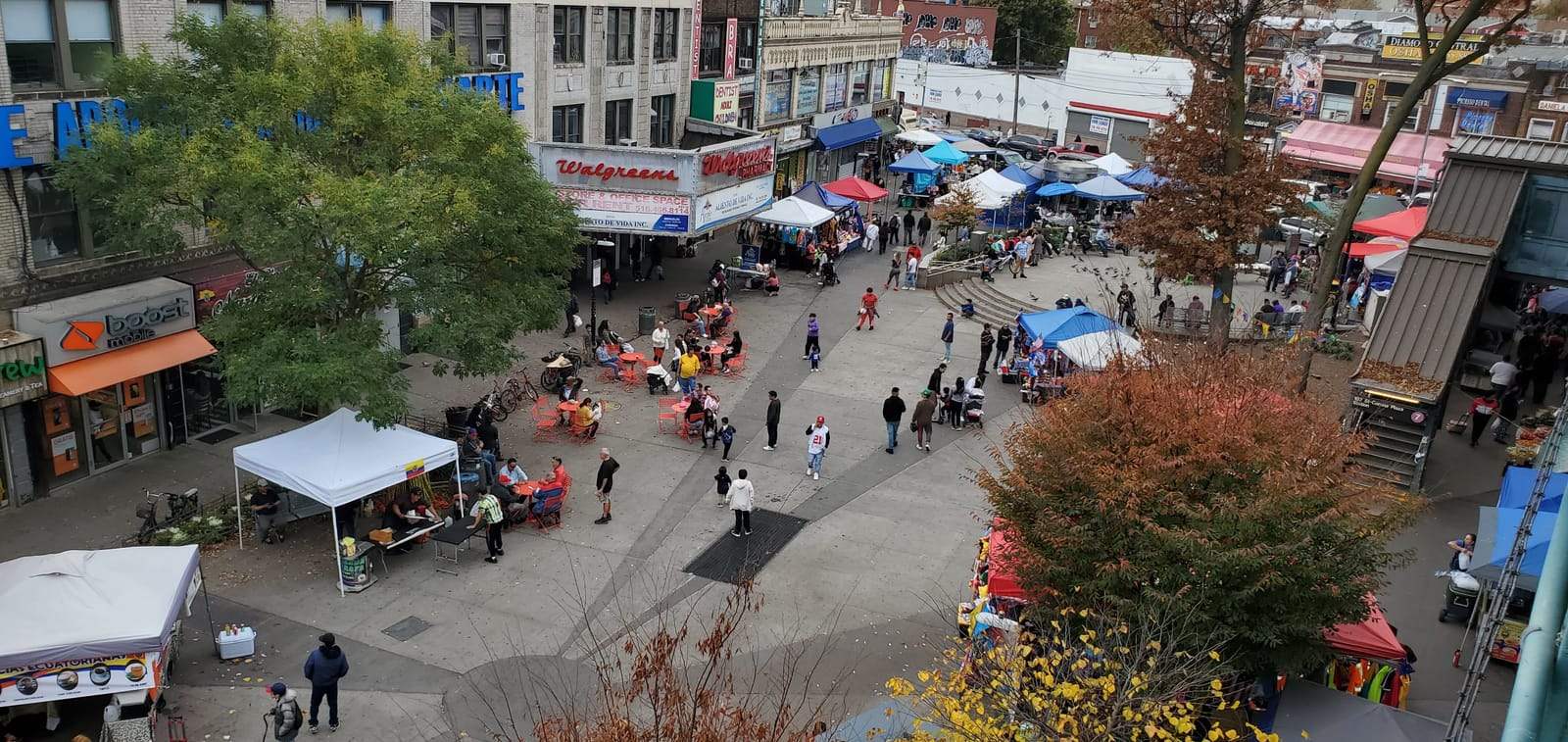
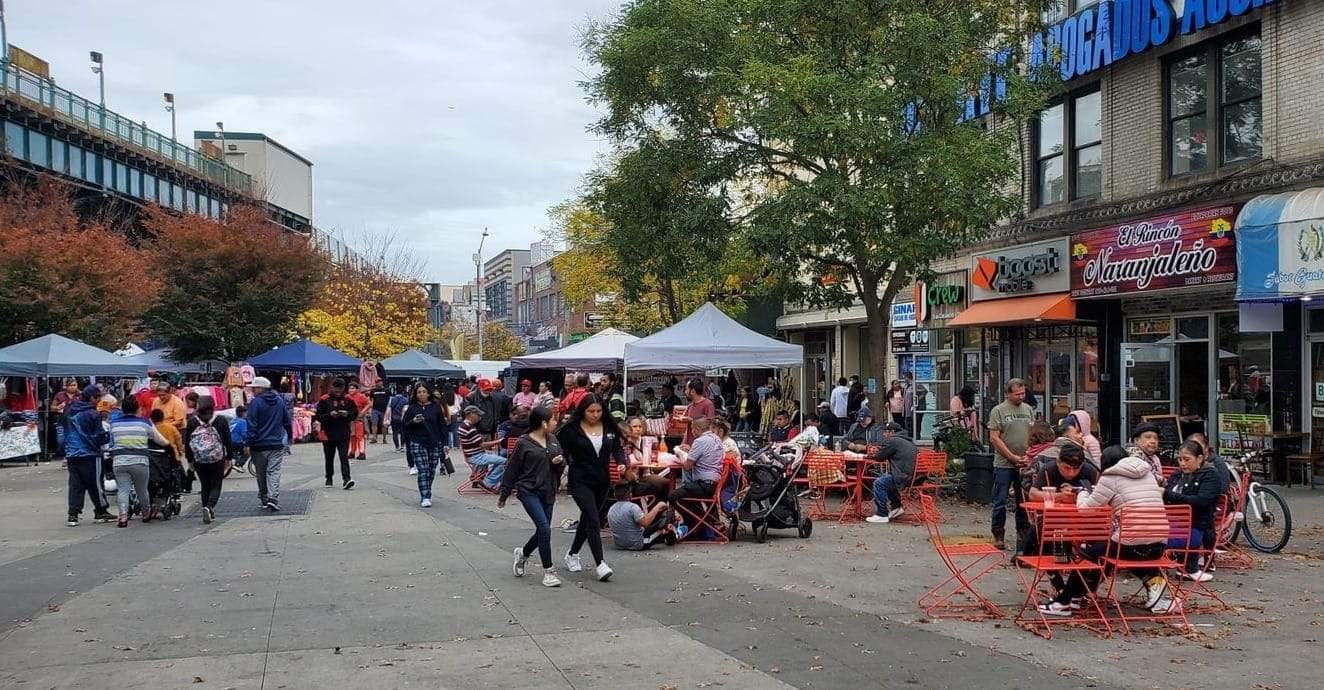
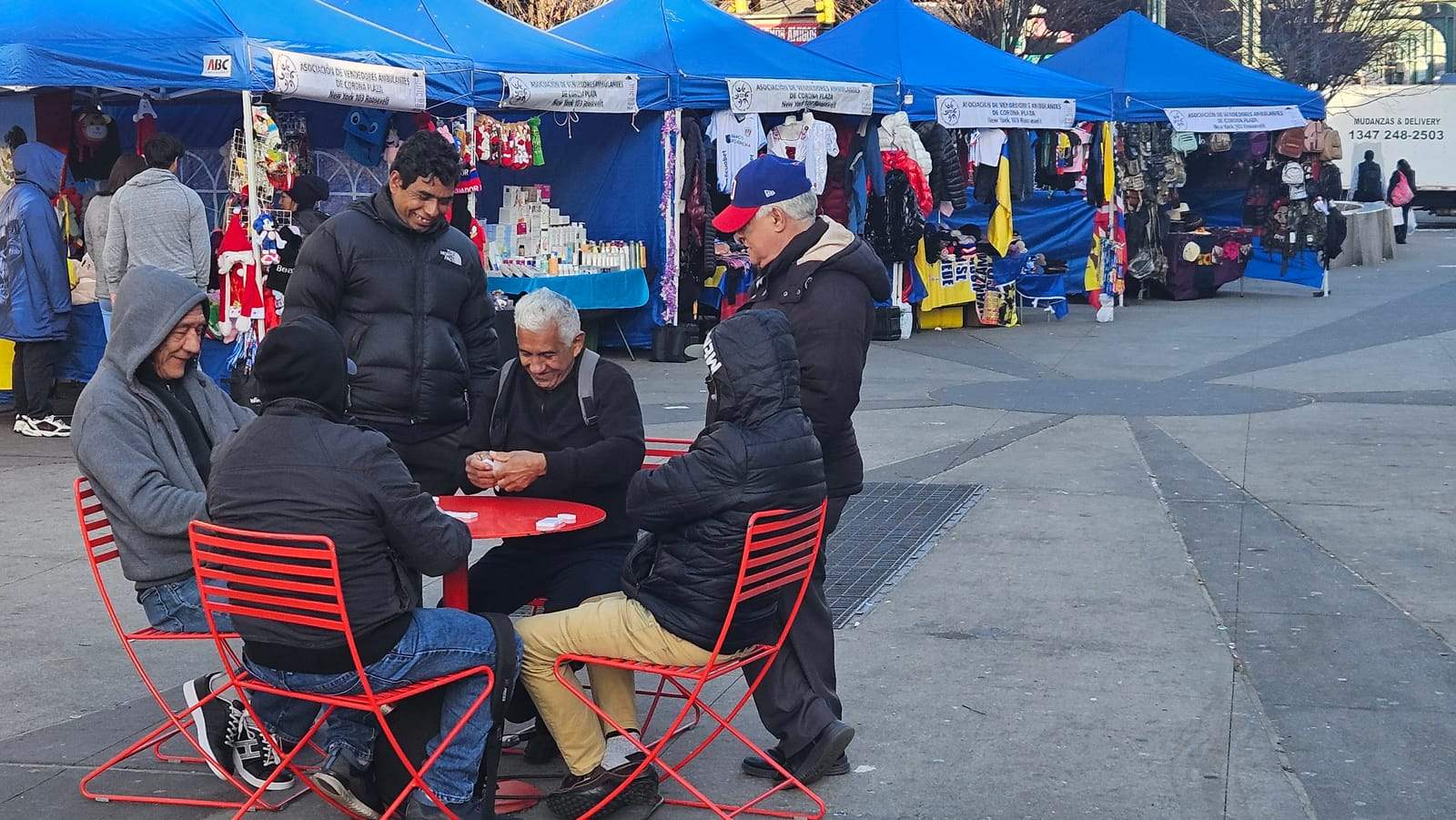
Source: sociallifeproject.org
3. The Garden of Migrations, Marseille, France. At Fort Saint-Jean and MUCEM, the project was conceived as a garden promenade that evokes the mixing of cultures around the Mediterranean through a sequence of sixteen scenes. Official MUCEM material also emphasizes its ethnobotanical trail and Mediterranean plant narratives. This is a useful example because it shows how planting design can carry migration memory, exchange, and cultural storytelling without relying only on monuments or text panels.
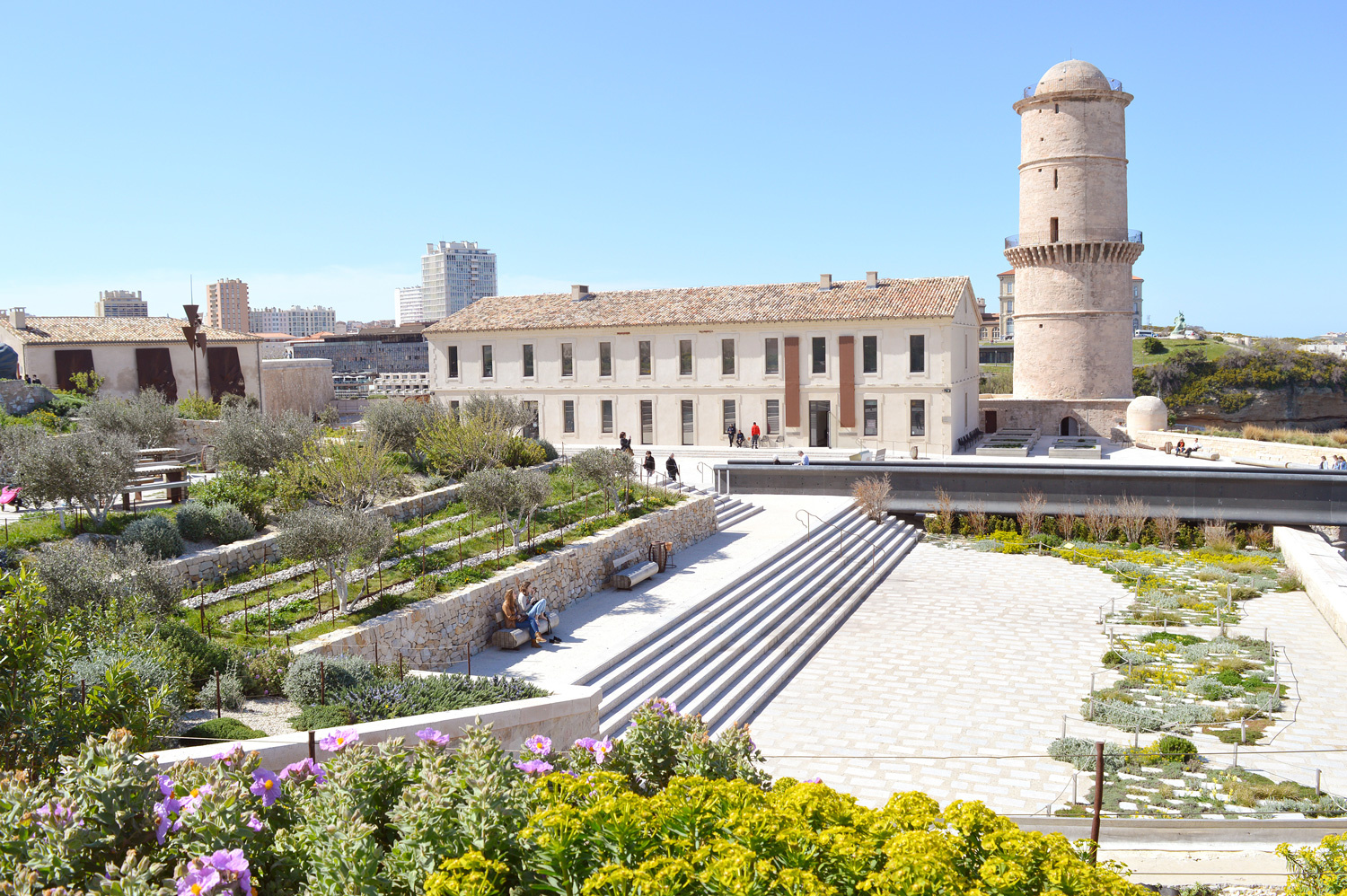
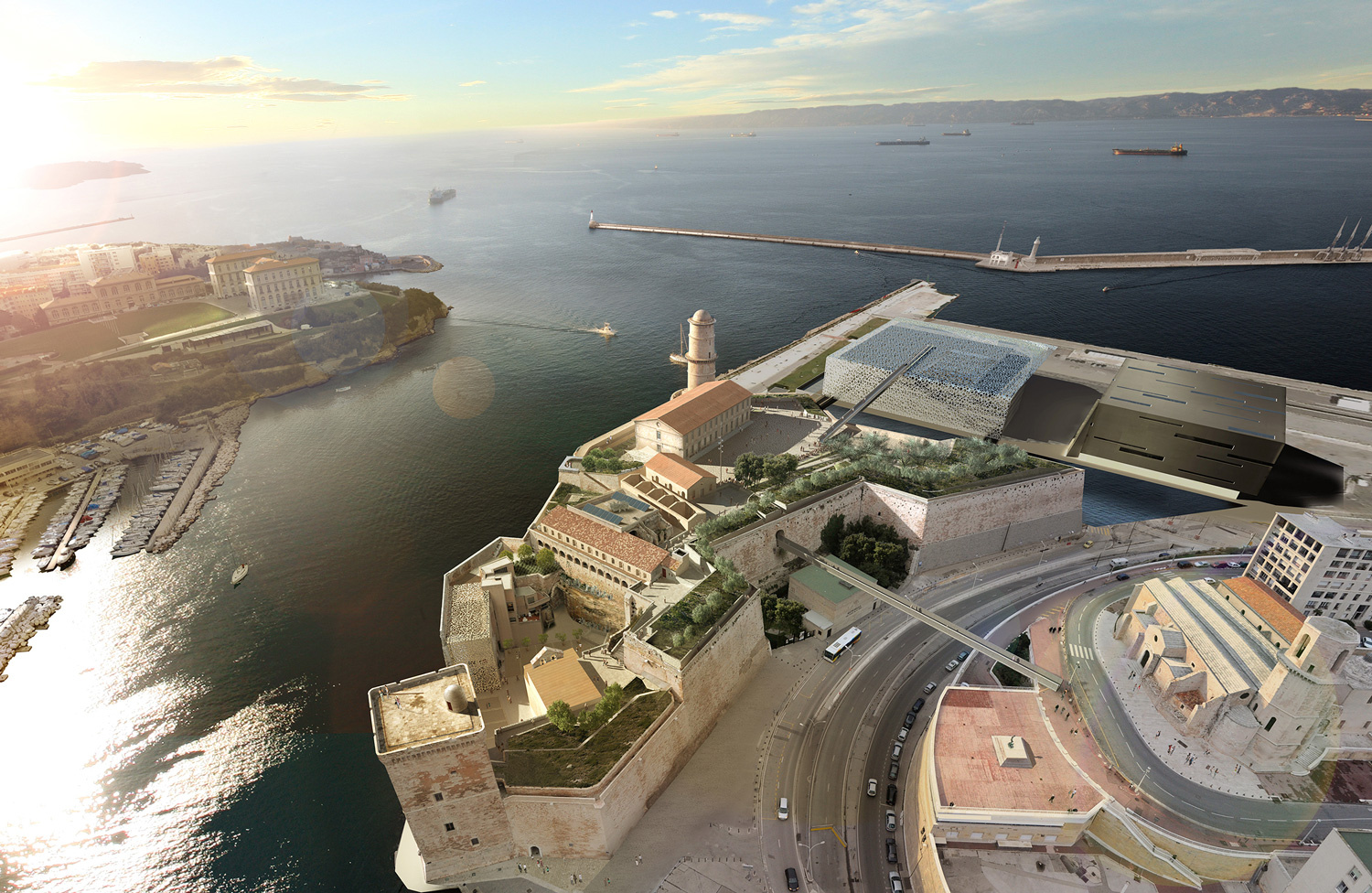
The Garden of Migrations_Agence APS (Source: landezine.com)
4. Garden of Australian Dreams, Canberra, Australia. The National Museum of Australia describes this as a symbolic landscape about place and home, with “home” translated into 100 languages spoken in contemporary Australia, alongside mapped references to First Nations and language boundaries. It is a strong example of landscape architecture making plural identity visible in a national civic setting, which supports your argument that belonging depends on recognition, not just access.
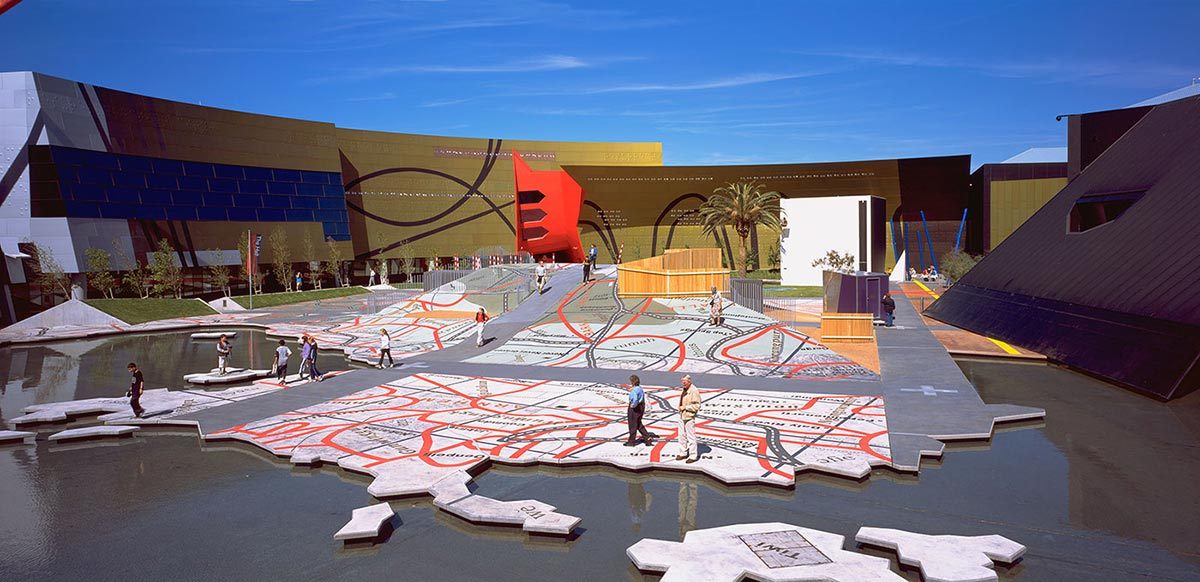
Garden of Australian Dreams_Richard Weller and Vladimir Sitta of Room 4.1.3, working in collaboration with ARM Architecture(Source: nma.gov.au)
5. Springdale Library & Komagata Maru Park, Brampton, Canada. This project combines community park space with a civic building in a fast-growing, highly immigrant suburb. Canadian Architect notes that the park commemorates the 1914 Komagata Maru incident, when 376 immigrants from India were turned away under discriminatory Canadian immigration laws, and says the city wanted the project to speak to multiculturalism and immigration to Canada; RDHA describes the result as an inclusive gathering place. That makes it a persuasive example of landscape architecture linking remembrance, everyday recreation, and civic belonging.
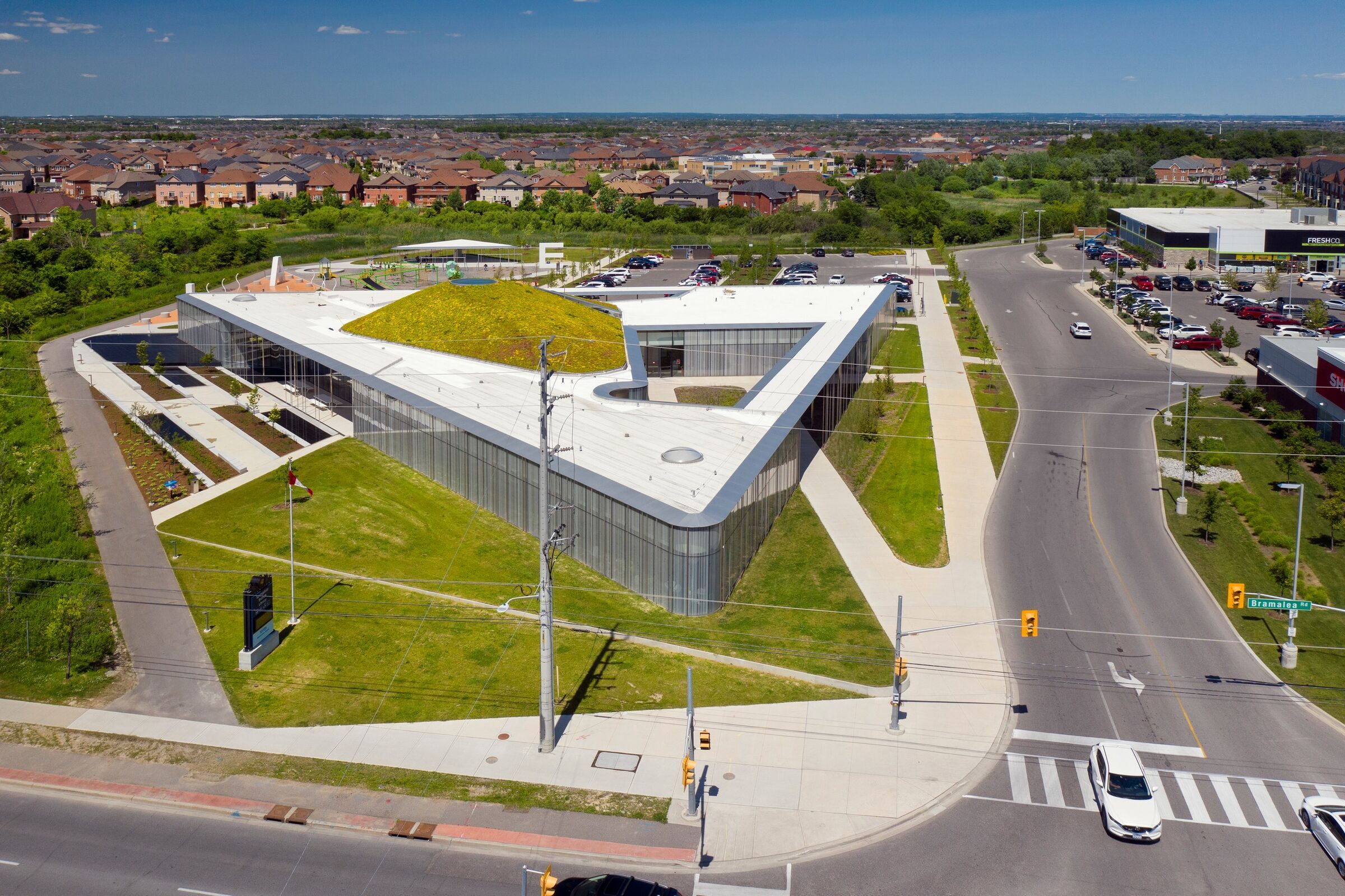
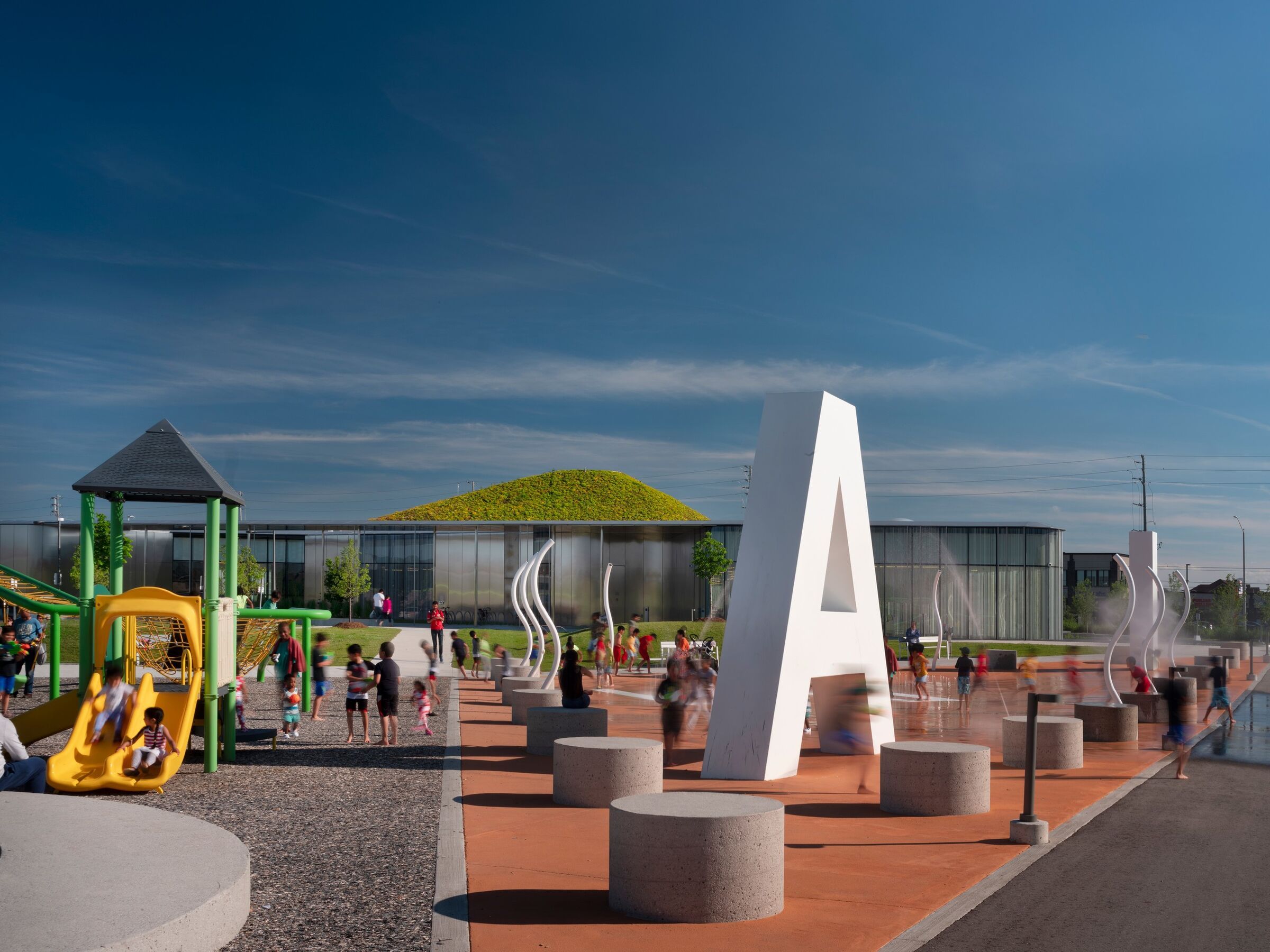
Springdale Library_Brampton, Canada. RDH Architects Inc. (Source: Nic Lehoux_archello.com)
Featured Posts
Blog Topics
Urban environment & Public spaces
Stay updated with the latest articles and insights from The Landscape Lab. Here, you will find valuable information and engaging content.
Waterfront & Coastal Resilience
Stay updated with the latest articles and insights from The Landscape Lab. Here, you will find valuable information and engaging content.
Captivating Photography
Stay updated with the latest articles and insights from The Landscape Lab. Here, you will find valuable information and engaging content.
Why Read The Landscape Lab Blog?
The way we design and interact with landscapes is more important than ever. As cities expand, coastlines shift, and climate change reshapes our world, the choices we make about land, water, and urban spaces have lasting impacts. The Landscape Lab Blog is here to spark fresh conversations, challenge conventional thinking, and inspire new approaches to sustainable and resilient design.
If you’re a landscape architect, urban planner, environmentalist, or simply someone who cares about how our surroundings shape our lives, this blog offers insights that matter. We explore the intersections between nature and the built environment, diving into real-world examples of cities adapting to rising sea levels, innovative waterfront designs, and the revival of native ecosystems. We look at how landscapes can work with nature rather than against it, ensuring long-term sustainability and biodiversity.
By reading The Landscape Lab, you'll gain a deeper understanding of the evolving field of landscape design—from rewilding initiatives to regenerative urban planning. Whether it’s uncovering the forgotten history of resilient landscapes, analyzing groundbreaking projects, or discussing the future of green infrastructure, this blog provides a space for learning, inspiration, and meaningful dialogue.
Location:
The Landscape Lab
123 Greenway Drive
Garden City
NY 12345
United Kingdom
Contact Number:
Get in Touch:
contact@thelandscapelab.co.uk
© 2025 thelandscapelab.co.uk - Your go-to blog for landscaping insights