A deeper look at the problem (and why hotel sustainability has changed fast)
Luxury hospitality sits at the intersection of two hard truths: travel is growing, and the places people most want to visit (islands, reefs, deserts, rainforests, ski regions) are often the most climate- and resource-sensitive. Even as the sector improves efficiency, travel and tourism still represent a meaningful slice of global emissions—about 7.3% of total global GHG emissions in 2024 (down from 2019’s share, per WTTC). Earlier research has put tourism’s contribution around ~8% in prior years, underscoring how big the challenge is and why “business as usual” doesn’t work.
Hotels and resorts are only one part of a trip’s footprint (flights can dominate), but they’re also one of the most controllable parts—because properties can redesign buildings, systems, procurement, and guest experience. And hotels are fundamentally buildings, a sector that accounts for ~30% of global energy demand—meaning HVAC, hot water, lighting, kitchens, and laundry are major levers for climate action.
The biggest environmental issues facing hotels right now
1) Energy demand and carbon emissions (especially cooling + hot water).
Luxury properties often operate in extreme climates (hot, humid, arid, high altitude), where air-conditioning and water heating run constantly. The sustainability conversation has moved from “use efficient bulbs” to whole-system decarbonization: smarter building envelopes, electrification, and renewables.
2) Water stress and community impacts.
Water is becoming one of hospitality’s most urgent flashpoints—particularly on islands and in drought-prone regions. Industry guidance notes hotels can average ~1,500 litres per room per day, and in some locations tourism can use 8x more water per person than local populations. Even guest comfort choices matter: research shows in-room water consumption is significant, with showers often the largest component.
3) Waste (food, packaging, and single-use plastics).
Buffets, all-day dining, and high expectations for “abundance” can translate into major food waste. The Sustainable Hospitality Alliance notes hotel kitchens waste ~5%–15% of all food purchased. At a global scale, UNEP estimates 1.05 billion tonnes of food was wasted in 2022 (about 19% of food available to consumers), with food service responsible for ~290 million tonnes—and food waste drives 8–10% of global GHG emissions. Plastic is the other visible pain point; UNEP has repeatedly stressed that tackling single-use plastics requires coordinated changes across suppliers, operators, policymakers, and consumers—not just a single hotel swapping straws.
4) Biodiversity, land use, and “loving places to death.”
Resorts often sit in or near sensitive habitats (coasts, reefs, forests). The newest wave of hotel sustainability is nature-positive: habitat protection, reef restoration, invasive species control, wildlife-safe lighting, and careful guest activity management—areas now formalized in standards like the GSTC Hotel Standard (energy/water/waste and biodiversity and ecosystem protection).
5) Social responsibility and destination resilience.
Luxury hospitality depends on people and place: fair employment, safe working conditions, local enterprise development, cultural respect, and community partnership. These are no longer “nice-to-haves”—they’re increasingly built into credible sustainability frameworks.
How strategies are evolving (from “less bad” to “net positive”)
A decade ago, sustainability in hotels often meant towel/linen reuse and the occasional recycling bin. Today, leading properties are adopting a more mature playbook:
1) Measurement first, then meaningful targets
The industry is converging on common baselines and comparable indicators. WTTC’s Hotel Sustainability Basics defines a minimum set of 12 fundamental actions for hotels, designed as a first step toward more ambitious pathways. In parallel, the Sustainable Hospitality Alliance’s Pathway to Net Positive Hospitality is explicitly designed to be evolutionary—aligning with emerging regulations and harmonizing the “mess” of overlapping reporting frameworks.
2) Energy efficiency → electrification → renewables
Hotels are moving beyond efficiency retrofits into electrifying heating and hot water (where feasible) and adding renewables. Heat pumps, for example, are increasingly central to decarbonizing buildings because they can meet a large share of heating demand with lower emissions than gas boilers (depending on grid mix).
3) Water stewardship becomes operational (not just signage)
The shift is from “please reuse towels” to smart metering, leak detection, low-flow fixtures, greywater reuse, rainwater harvesting, desalination where appropriate, and guest-facing nudges that actually work. In trials, real-time feedback in showers reduced shower time by 25%+, showing how behaviour design can complement infrastructure.
4) Circularity replaces “waste management”
The best hotels are redesigning purchasing and service to avoid waste upstream: smaller buffet footprints, made-to-order stations, food-waste tracking tech, composting, refillable amenities, and supplier take-back programs—because “recycling” alone can’t keep up with high-volume operations.
5) Nature-positive and community-first approaches
The frontier of sustainable luxury is regeneration: restoring ecosystems, funding conservation science, supporting local livelihoods, and protecting cultural heritage—now embedded in global criteria and increasingly demanded by guests and corporate travel buyers.
Luxury travel has an outsized footprint: remote locations, air conditioning in hot climates, big pools, imported food and materials, and (too often) a lot of waste. The good news is that some of the world’s best hotels are proving you can deliver “wow” without treating nature like a disposable backdrop. Below are 10 standout properties making meaningful strides (and a few ideas for how travellers can spot the real thing).
1) The Brando (Tetiaroa, French Polynesia)
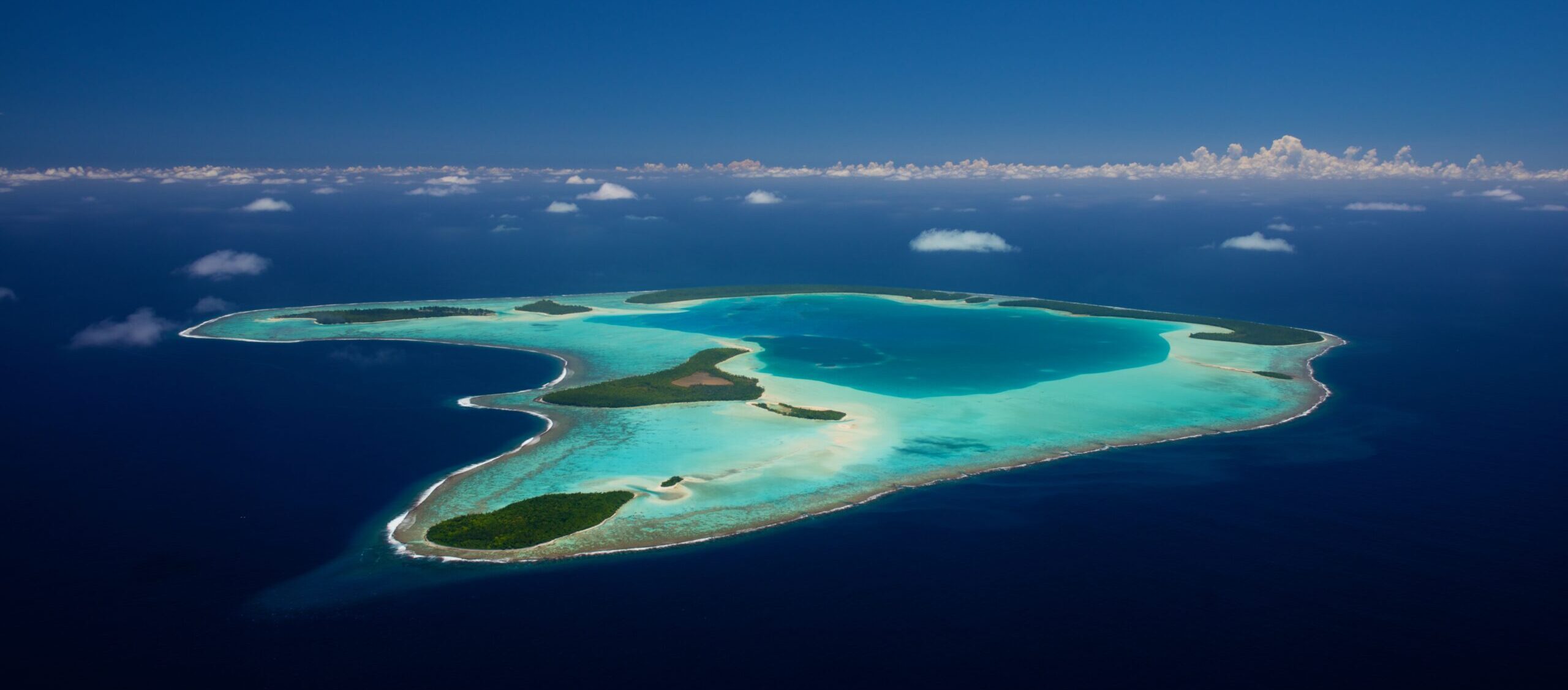
Introduction: A private-island icon built around the idea that pristine nature is the luxury—and deserves serious protection.
Eco features:
- Energy & carbon: Seawater Air Conditioning (SWAC) uses cold deep ocean water to cut air-conditioning energy use dramatically; the resort also runs on a large solar array (thousands of panels) and uses coconut oil biofuel as part of its energy mix.
- Waste & circularity: On-site composting and waste sorting are built into operations (not outsourced as an afterthought).
- Science & conservation: The on-atoll eco-station hosts researchers and conservation work (marine biology, ecology, habitat protection).
What we like (and why):
- SWAC is one of the rare “big-lever” solutions—quiet, invisible to guests, and massively effective where cooling is the main energy draw.
- The resort treats conservation as core infrastructure (research labs, education, and monitoring), not just a guest activity.
Nightly price: From about £2,423/night (indicative; varies by season and villa type).
Website: www.thebrando.com
2) Soneva Fushi (Baa Atoll, Maldives)
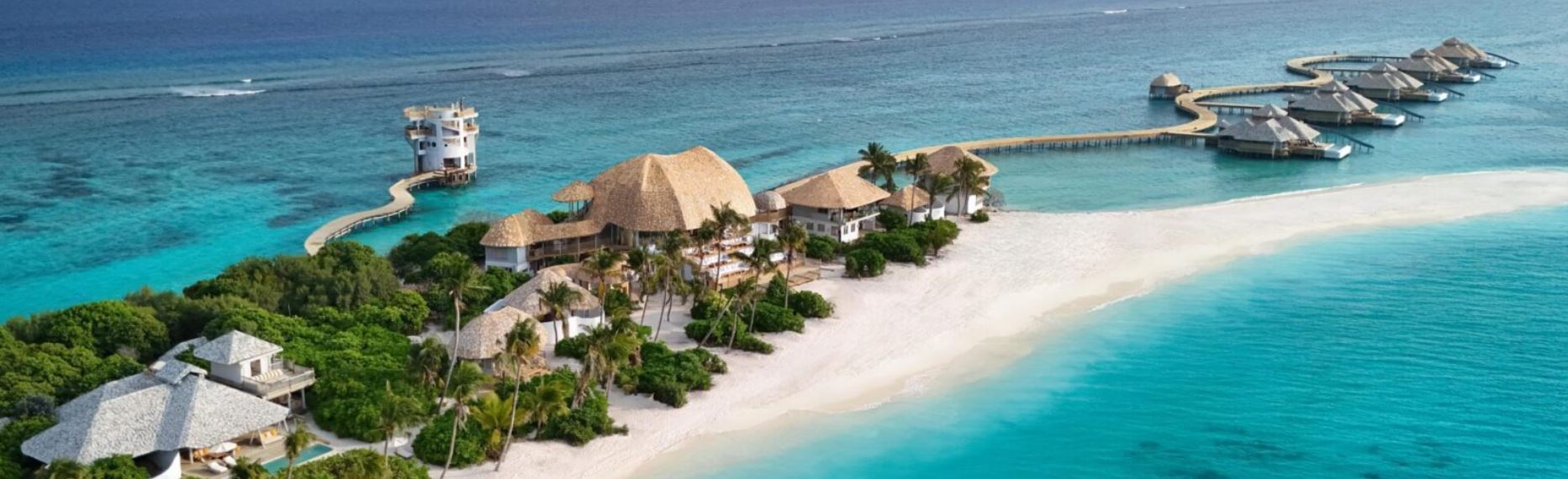
Introduction: “Barefoot luxury” with one of the hospitality world’s most famous circular-waste programs—because island ecosystems can’t afford landfill thinking.
Eco features:
- Energy & carbon: A large solar rollout across Soneva’s Maldives portfolio (multi-MW scale) supports lower-emissions island operations.
- Waste & circularity: The Waste-to-Wealth / Eco Centro model sorts waste and turns glass into new products (including upcycled items that become part of the guest experience).
- Plastic & water: Soneva has long pushed to eliminate single-use plastics and unnecessary imported bottled water through on-island systems and policy choices.
- Funding impact: A dedicated environmental levy helps finance sustainability and conservation initiatives.
What we like (and why):
- It’s not just “recycling”—it’s systems design: the resort built its own pathway for waste on islands where municipal infrastructure is limited.
- Sustainability is guest-visible in a good way (learning + transparency), not hidden in a back-of-house report.
Nightly price: From about US$1,467/night (indicative).
Website: www.soneva.com
3) Six Senses Laamu (Laamu Atoll, Maldives)
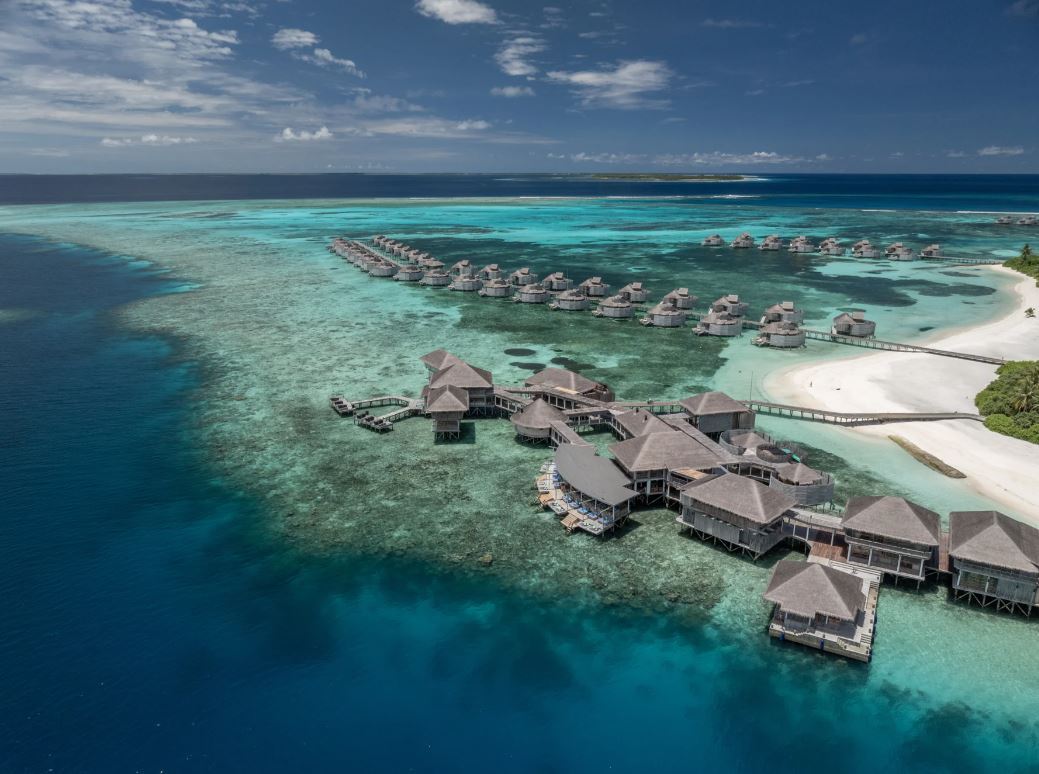
Introduction: A high-end resort that pairs luxury with hands-on marine science, plastic elimination, and community partnership work—especially important in a fragile atoll environment.
Eco features:
- Marine protection & research: The resort highlights its location near Marine Protected Areas and runs the SHELL sustainability hub to combine research, conservation, and education.
- Plastic-free operations: Six Senses’ group-wide approach includes bottling drinking water in reusable glass and substituting common plastic items across the guest journey.
- Community + NGOs: Conservation work is carried out with researchers (e.g., Manta Trust, Blue Marine Foundation, Olive Ridley Project) through the Maldives Underwater Initiative partnership.
- Biodiversity knowledge: On-site coral research tracks coral spawning and reef health—science that feeds practical protection.
What we like (and why):
- The resort puts guests close to real science (not scripted “eco theatre”).
- Plastic reduction is tackled at the operations level (water systems + procurement), where it actually sticks.
Nightly price: From about US$1,593/night (indicative).
Website: www.sixenses.com
4) Singita Lebombo Lodge (Kruger National Park, South Africa)
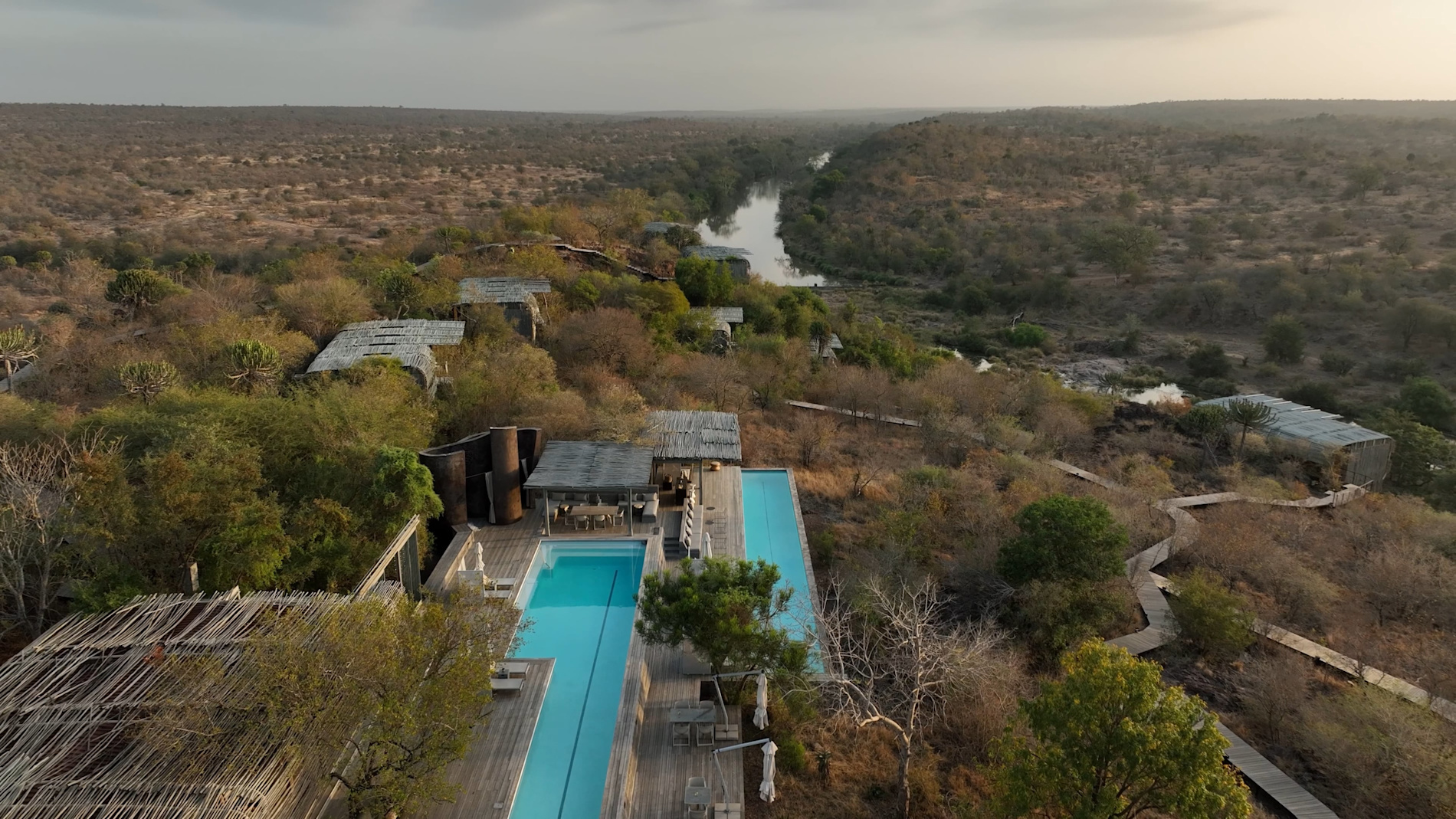
Introduction: A design-forward safari lodge where conservation isn’t an add-on—it’s the business model, including long-term climate and waste goals.
Eco features:
- Energy & carbon: Singita’s climate action approach emphasizes energy-efficient buildings, efficient equipment, and renewable installations (including solar).
- Solar deployment (on the ground): Singita notes a major solar power plant supporting Kruger operations (hundreds of panels; large annual generation).
- Plastic & materials: Singita reports a major reduction in plastic bottled water procurement and rapid phase-out of single-use plastics across lodges.
- Waste: Targets include pushing landfill-bound waste down toward a small fraction through recycling partnerships and reduction programs.
What we like (and why):
- The sustainability work isn’t “light touch”: it includes measurable procurement changes (plastic bottled water reduction) and renewable energy infrastructure.
- The rack rates even itemize levies (tourism + carbon offset), signaling that impact costs are acknowledged and accounted for.
Nightly price: From ZAR 51,665 per adult per night (rack rate windows vary by season; safari inclusions apply).
Website: www.singita.com
5) The Datai Langkawi (Langkawi, Malaysia)
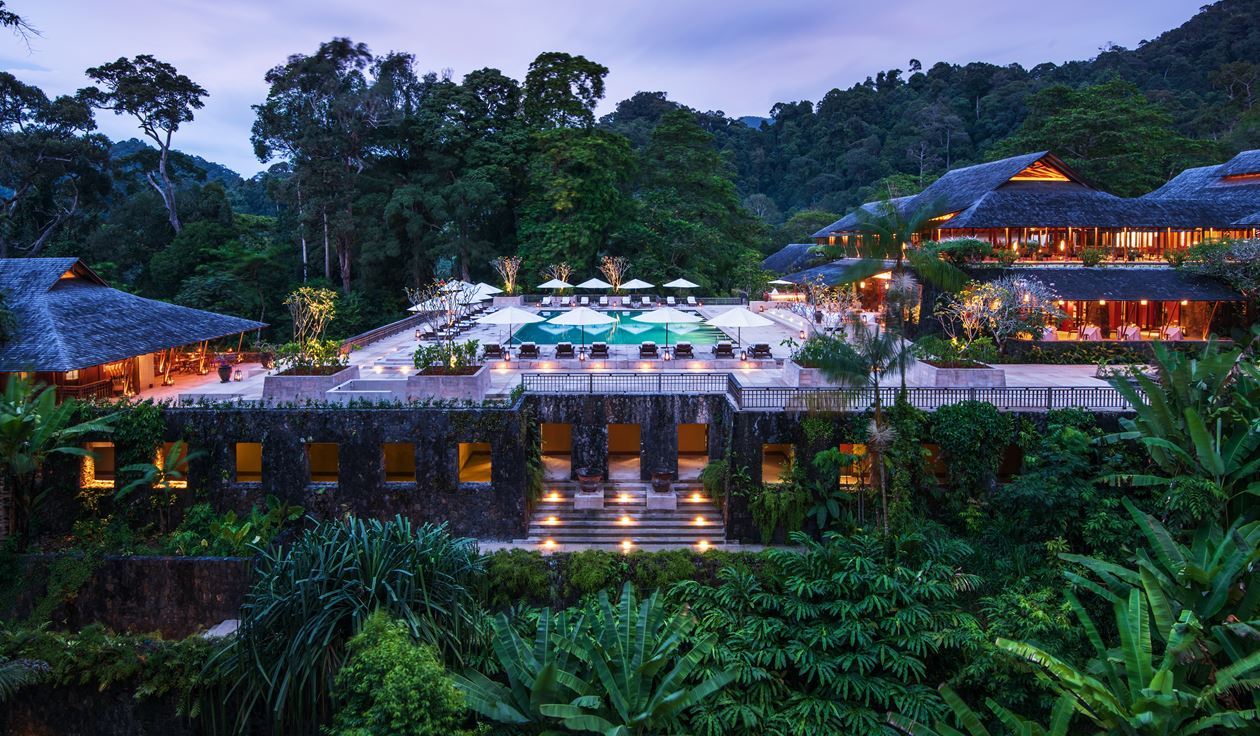
Introduction: A rainforest-and-beach classic with a structured, measurable program (“The Datai Pledge”) spanning waste, wildlife, oceans, and community wellbeing.
Eco features:
- Waste: A “zero waste to landfill” approach and transparent tracking—recently reporting 93% waste diversion efficiency (with ongoing improvement).
- Water & plastics: Eliminates single-use plastics and uses refill systems and better procurement to reduce packaging.
- Biodiversity: A native tree nursery supports reforestation and habitat restoration for local flora and fauna.
- Community: Skills development and partnerships support local livelihoods alongside conservation.
What we like (and why):
- The Datai is unusually data-forward for a resort—publishing measurable progress rather than vague “eco-friendly” claims.
- The pledge structure ties guest experience to real ecosystem needs (forest, reef, people) in one connected plan.
Nightly price: From about MYR 2,700/night (package-dependent; indicative).
Website: www.thedatai.com
6) Inkaterra Reserva Amazonica (Madre de Dios, Peru)
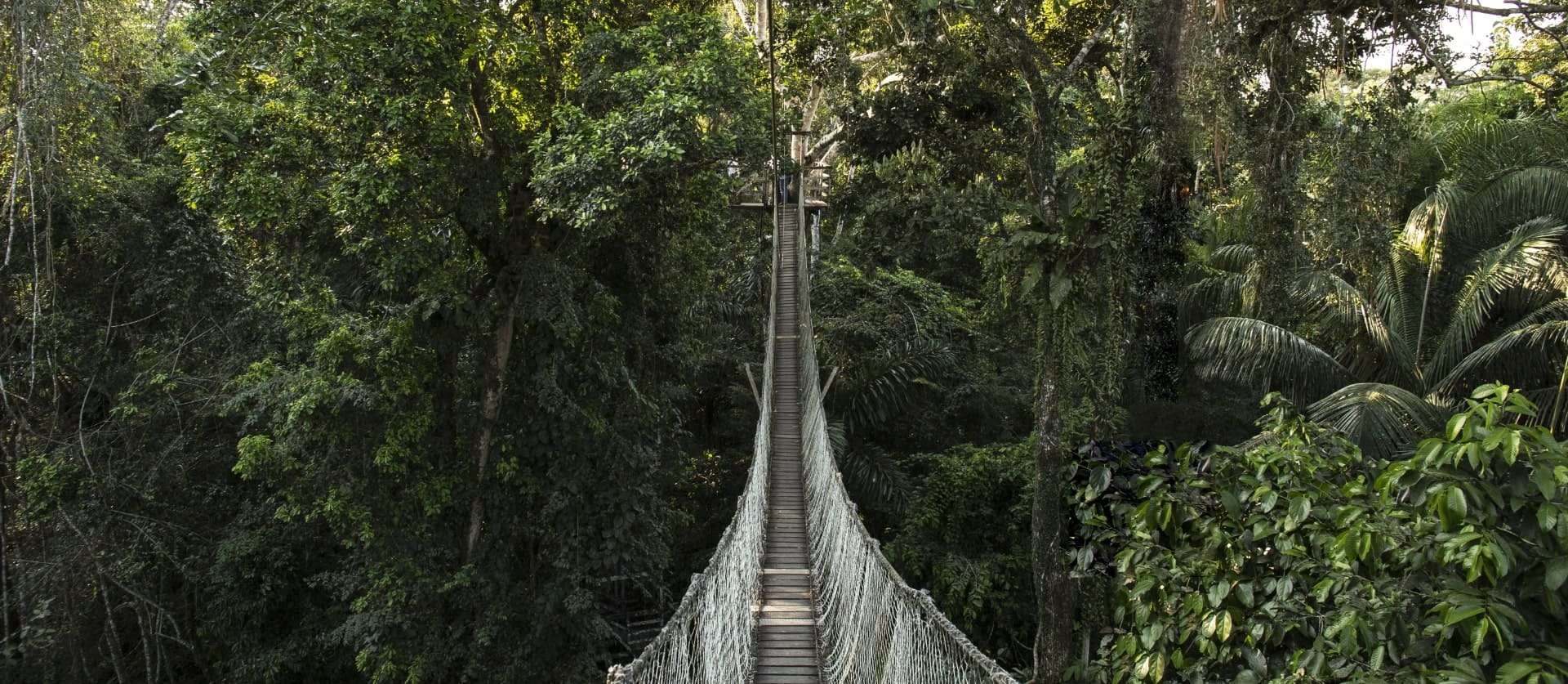
Introduction: A pioneering eco-luxury lodge in the rainforest that frames tourism as a tool for conservation, local livelihoods, and cultural respect.
Eco features:
- Carbon & operations: Inkaterra’s sustainability policy explicitly includes efficient energy and water use, waste treatment, and offsetting emissions toward carbon neutrality.
- Local employment & training: The policy emphasizes recruiting and training local staff and supporting community development.
- Supplier standards: Preference for environmentally friendly products and strong supplier communication are part of the operating model.
What we like (and why):
- The sustainability approach is written into the company’s operating targets (energy, water, waste, carbon neutrality), not left to individual departments.
- Strong focus on local recruitment + professional development, which is a critical but often overlooked pillar of “sustainable luxury.”
Nightly price: Deals and packages vary; Inkaterra publishes promotional pricing (typically per person, per night).
Website: www.inkaterra.com
7) Mashpi Lodge (Mashpi Reserve, Ecuador)
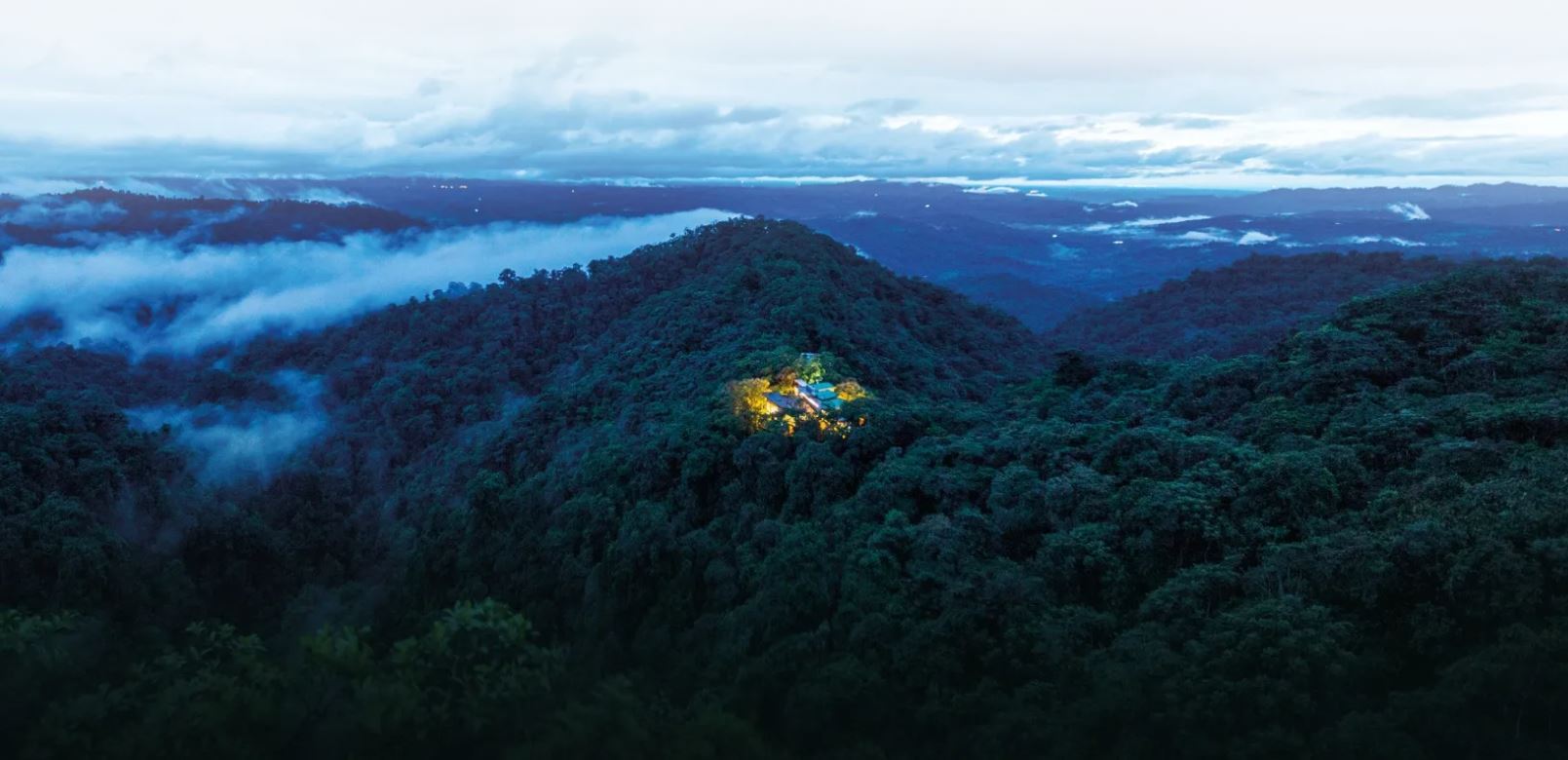
Introduction: A glass-and-steel lodge in a private reserve that uses high-end travel to finance protection of one of the planet’s most biodiverse ecosystems.
Eco features:
- Conservation land model: Operates within a protected reserve and is tied to a foundation and conservation mission.
- Community impact: The lodge reports that a large share of staff are local and highlights skills development and education as part of its approach.
- Low-impact experiences: Nature interpretation (guided walks, canopy, scientific discovery) is designed to build support for protecting habitat rather than exploiting it.
What we like (and why):
- The value proposition is clear: your stay helps underwrite forest protection and research in a way day-trips can’t.
- It treats local employment as an environmental strategy—because communities with stable livelihoods are more able to protect surrounding ecosystems.
Nightly price: From about US$1,280/night (indicative; often packaged).
Website: www.mashpilodge.com
8) Fogo Island Inn (Fogo Island, Newfoundland & Labrador, Canada)
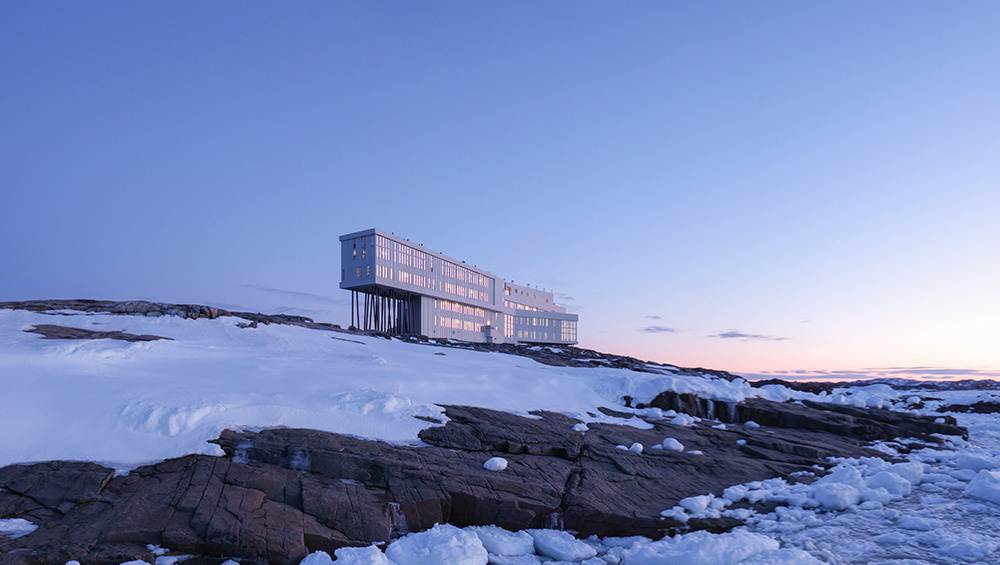
Introduction: A design pilgrimage site with one of the most interesting social sustainability models in hospitality: community-first economics.
Eco features:
- Regenerative economics: The operating charity commits 100% of profits back into the community, making tourism a long-term local asset rather than a value extraction machine.
- Local sourcing & fair wages: The model prioritizes fair labour and local sourcing of food and goods whenever possible.
- Radical transparency: The inn publicly breaks down where nightly fees go (e.g., labour, operations, and community reinvestment).
What we like (and why):
- You can feel the difference when “community reinvestment” isn’t a donation box—it’s literally the business structure.
- The transparency forces accountability and helps guests understand what responsible luxury actually costs.
Nightly price: From about €1,980/night (indicative).
Website: www.fogoislandinn.ca
9) 1 Hotel Mayfair (London, United Kingdom)
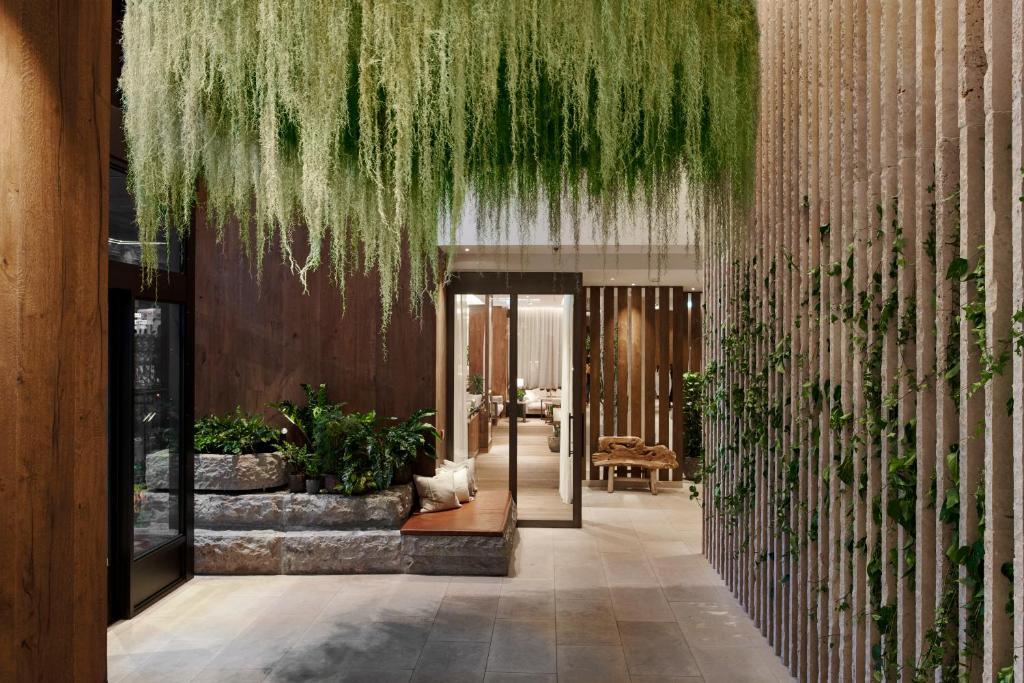
Introduction: Proof that sustainability isn’t only for remote resorts—this is an urban luxury hotel built around adaptive reuse, green walls, and operational controls that cut waste and energy.
Eco features:
- Lower-carbon construction: Retained ~80% of the existing structure, saving an estimated ~4,200 tonnes of carbon.
- Energy efficiency: Uses intelligent lighting controls and claims 50% less energy for room lighting vs. a standard hotel baseline.
- Water stewardship: Captures rainwater for irrigation and uses filtration + reusable bottles/carafes to reduce single-use plastics.
- Food & waste: Menus spotlight local suppliers and include explicit “zero-waste” offerings.
What we like (and why):
- Adaptive reuse is one of the biggest carbon wins in the built environment—and they made it a headline strategy, not a footnote.
- The sustainability story is operationally specific (lighting controls, rainwater irrigation, reusable vessels), not just “eco vibes.”
Nightly price: Example shown at £431/night (date-specific; varies widely).
Website: www.1hotels.com
10) Bawah Reserve (Anambas Archipelago, Indonesia)
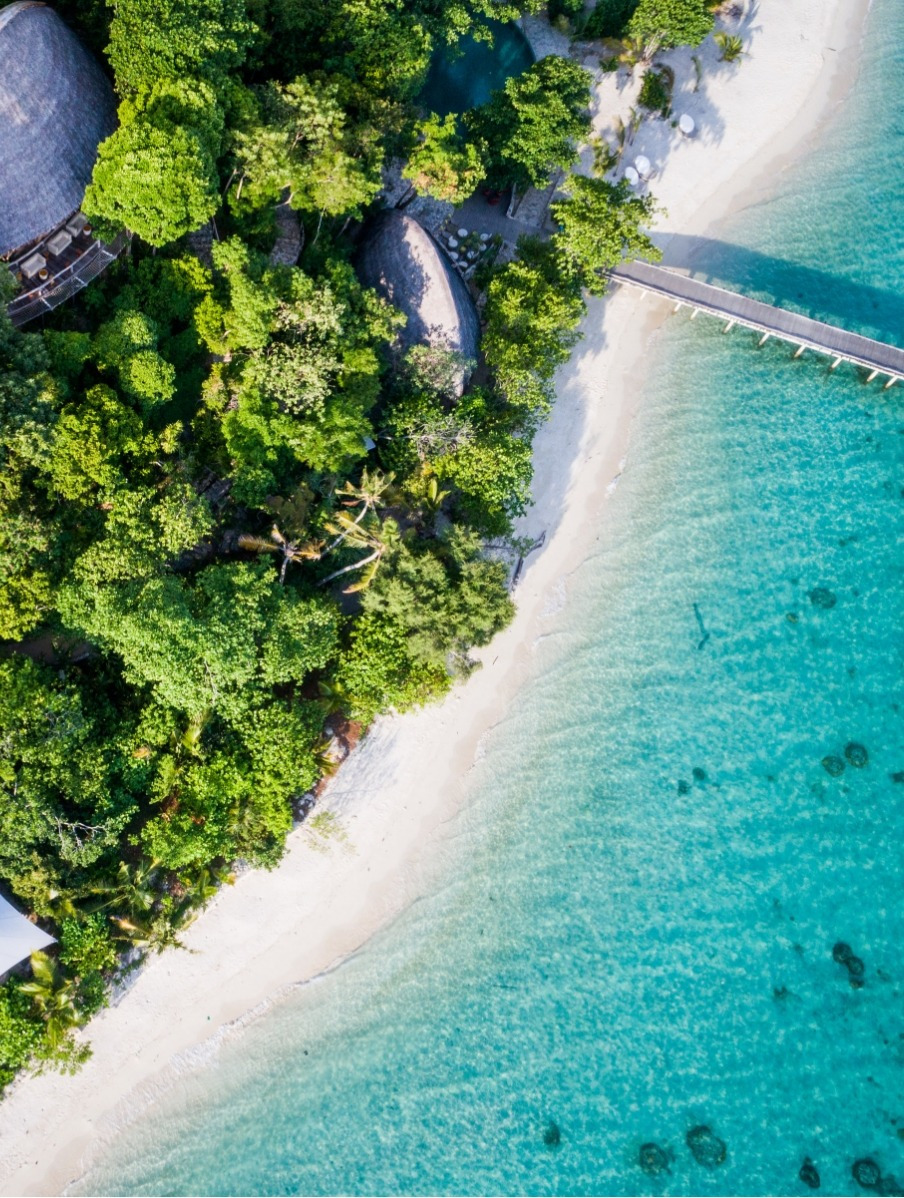
Introduction: A private-island escape with a serious environmental program—exactly what fragile island chains need if tourism is going to exist there at all.
Eco features:
- Energy: A prominent solar installation (including floating solar mentioned in reporting) reduces reliance on fossil fuels.
- Water: Uses rainwater catchment and desalination systems to reduce pressure on limited freshwater resources.
- Waste & plastics: Runs with a plastic-free policy and a zero-waste programme (important on islands without robust municipal waste systems).
- Conservation & community: The Anambas Foundation focuses on community skills training, reforestation, and discouraging destructive fishing techniques; coral regeneration programs are also reported.
What we like (and why):
- It tackles the “hard island problems” head-on: power, water, plastics, and waste—rather than simply marketing itself as eco.
- Conservation is paired with local capacity-building, which is how marine protection survives long-term.
Nightly price: From US$1,980 per suite per night (2025/26 rate sheet; peak/off-peak vary; many inclusions).
Website: www.bawahreserve.com
Featured Posts
Blog Topics
Urban environment & Public spaces
Stay updated with the latest articles and insights from The Landscape Lab. Here, you will find valuable information and engaging content.
Waterfront & Coastal Resilience
Stay updated with the latest articles and insights from The Landscape Lab. Here, you will find valuable information and engaging content.
Captivating Photography
Stay updated with the latest articles and insights from The Landscape Lab. Here, you will find valuable information and engaging content.
Why Read The Landscape Lab Blog?
The way we design and interact with landscapes is more important than ever. As cities expand, coastlines shift, and climate change reshapes our world, the choices we make about land, water, and urban spaces have lasting impacts. The Landscape Lab Blog is here to spark fresh conversations, challenge conventional thinking, and inspire new approaches to sustainable and resilient design.
If you’re a landscape architect, urban planner, environmentalist, or simply someone who cares about how our surroundings shape our lives, this blog offers insights that matter. We explore the intersections between nature and the built environment, diving into real-world examples of cities adapting to rising sea levels, innovative waterfront designs, and the revival of native ecosystems. We look at how landscapes can work with nature rather than against it, ensuring long-term sustainability and biodiversity.
By reading The Landscape Lab, you'll gain a deeper understanding of the evolving field of landscape design—from rewilding initiatives to regenerative urban planning. Whether it’s uncovering the forgotten history of resilient landscapes, analyzing groundbreaking projects, or discussing the future of green infrastructure, this blog provides a space for learning, inspiration, and meaningful dialogue.
Location:
The Landscape Lab
123 Greenway Drive
Garden City
NY 12345
United Kingdom
Contact Number:
Get in Touch:
contact@thelandscapelab.co.uk
© 2025 thelandscapelab.co.uk - Your go-to blog for landscaping insights