Cultural & Community Integration
Sustainability in coastal hotel and resort landscapes is not only about materials, energy, or water—it is also about people. True ecological design embraces the local culture, traditions, and knowledge of coastal communities, ensuring that tourism contributes positively to social as well as environmental wellbeing. Chapter 9 explores how landscape architects can foster authentic, inclusive, and regenerative cultural engagement.
Honoring Local Coastal Traditions and Aesthetics
Great design doesn’t impose—it listens. In coastal contexts, this means drawing inspiration from vernacular architecture, indigenous planting patterns, and traditional landscape practices.
- Swahili, Polynesian, Caribbean, and Southeast Asian coastal cultures each offer centuries-old systems of spatial organization, shading, wind use, and coastal agriculture that inform place-specific design.
- Using patterns, forms, and textures derived from local arts and crafts supports cultural continuity and visual authenticity.
In a 2023 report by the UN World Tourism Organization, resorts that actively reflect local aesthetics receive higher guest satisfaction ratings and support more resilient local economies.
Involving Local Artisans and Landscape Cooperatives
Hiring locally not only reduces economic leakage but also enriches projects with hands-on cultural knowledge. Partnering with regional artisans and cooperatives ensures that public realm features—from pergolas and benches to paving and garden walls—carry deeper narrative meaning.
- Stoneworkers, weavers, wood carvers, and ceramicists can contribute bespoke features with local material wisdom.
- Landscape cooperatives help maintain native plantings while embedding local stewardship in the daily life of the resort.
Expert Insight: Marina Tabassum, Architect
“Place-making is a conversation. When communities shape their spaces, sustainability becomes a shared legacy.”
Programming Outdoor Spaces for Cultural Exchange and Ecological Learning
Landscape isn’t just a setting—it’s a platform for connection. Resorts can amplify social and educational value by designing spaces that host:
- Workshops on permaculture, local plant use, or marine ecology
- Outdoor amphitheaters or performance spaces for music, dance, and storytelling
- Community markets or craft exhibitions that provide income for local creatives
These spaces blur the boundary between guest and host, creating meaningful exchanges that go beyond transactional tourism. According to the Journal of Sustainable Tourism (2021), guests engaged in local learning experiences are more likely to return and recommend the destination.
Case Study: Zuri Zanzibar, Tanzania - A Harmonious Blend of Culture and Community
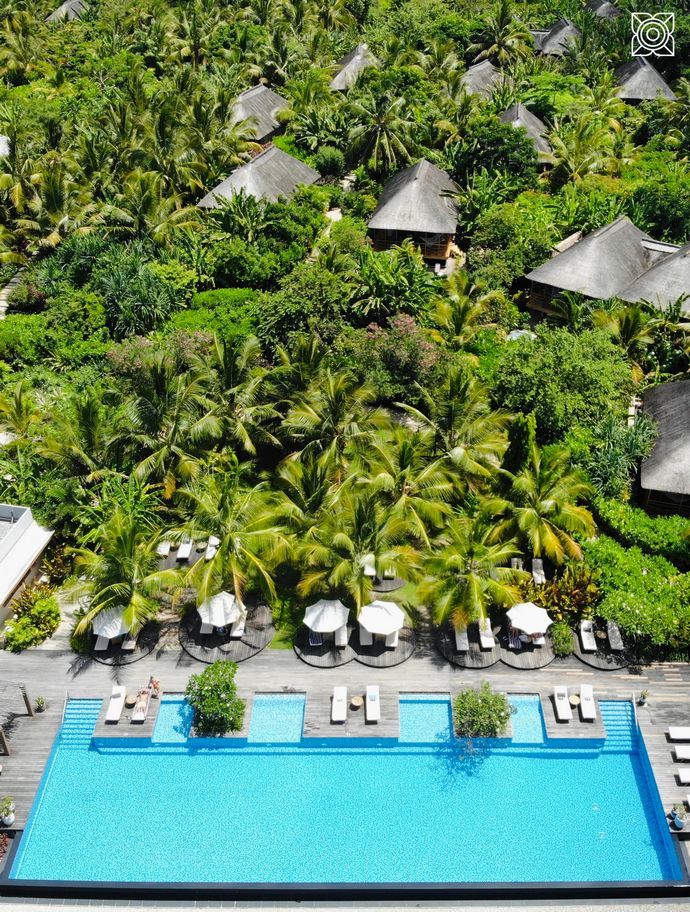
Zuri Zanzibar is a luxury resort that exemplifies sustainable design by seamlessly integrating Swahili culture and engaging with the local community. Designed by Jestico + Whiles, the resort combines contemporary aesthetics with traditional African craftsmanship, creating an environment that is both authentic and luxurious.
Expert Insight: Jestico + Whiles, Architects of Zuri Zanzibar
“Zuri Zanzibar demonstrates that luxury and sustainability can coexist harmoniously. Their comprehensive cultural integration strategies set a benchmark for eco-friendly hospitality.”
Location: Kendwa Beach, Zanzibar, Tanzania
Eco-Features:
-
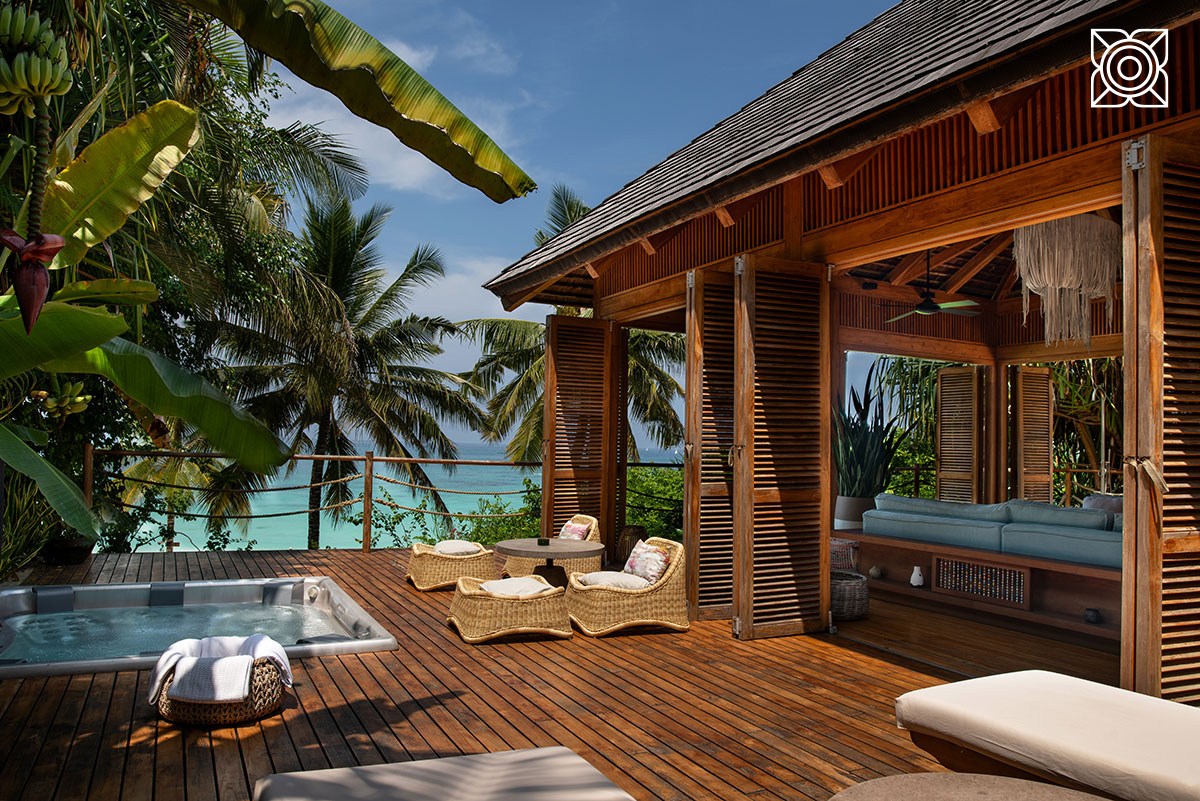
Swahili-Inspired Architecture: The resort's design draws inspiration from traditional Swahili architecture, featuring thatched roofs, coral stone structures, and Omani-style doors and balconies. This approach not only preserves the cultural heritage but also ensures harmony with the natural surroundings.
-
Local Artisan Collaborations: Zuri Zanzibar actively collaborates with local artisans to produce furniture, textiles, and artworks, thereby supporting the local economy and preserving traditional crafts
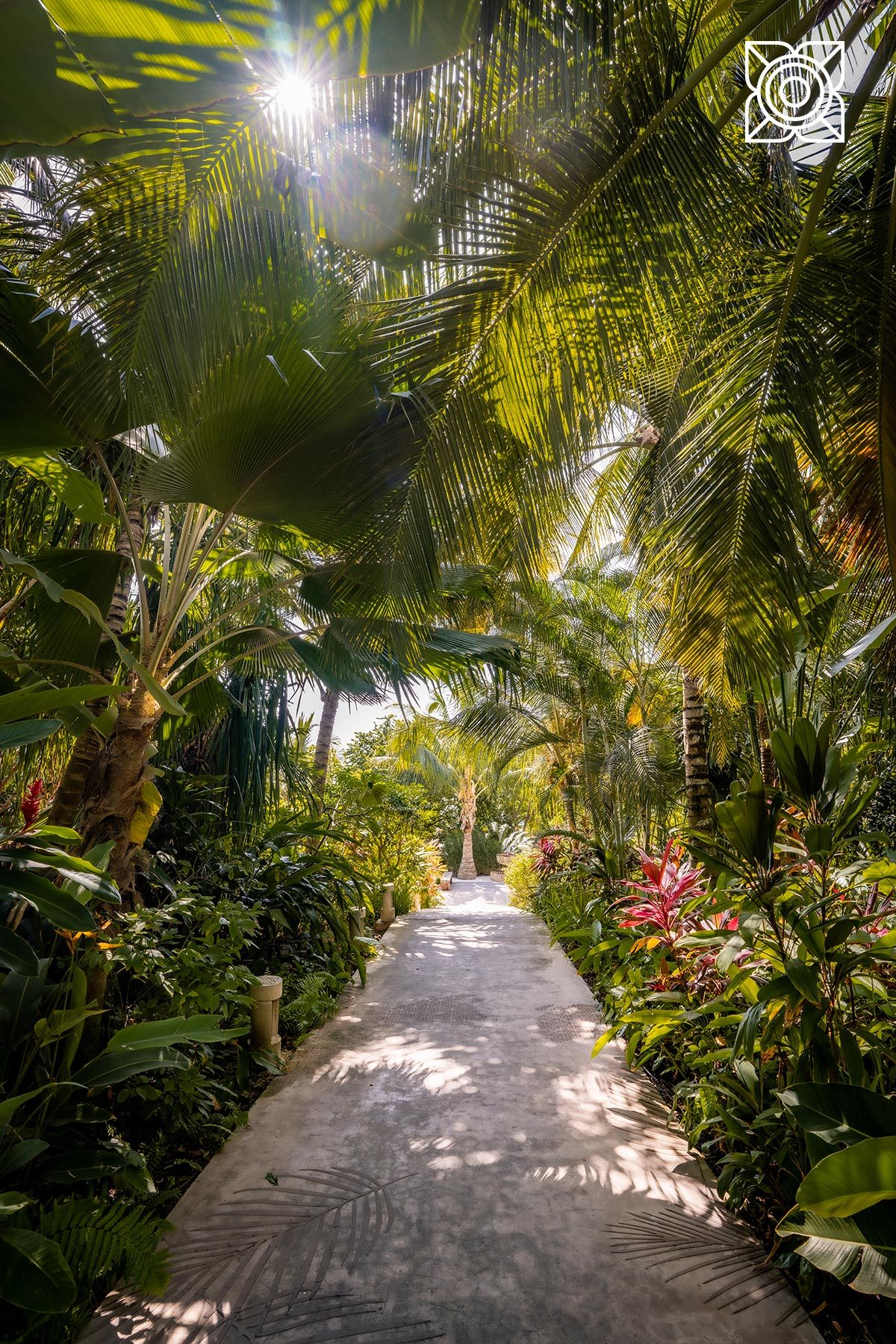
- Local Planting Teams: The resort partnered with community-run cooperatives to propagate and care for native flora, fostering local employment and ecological restoration.
-
Permaculture Gardens: The resort boasts permaculture gardens that supply fresh produce for its restaurants and serve as educational spaces for guests and the community. These gardens reflect a commitment to sustainable agriculture and food sovereignty.
-
Community Engagement: Zuri Zanzibar engages with the local community through various initiatives, including educational programs, cultural exchanges, and support for local schools and organizations. This fosters a sense of shared ownership and mutual respect.
Nightly Rate: Starting from approximately $500 USD per night, varying based on accommodation type and season.
Website: https://www.zurizanzibar.com
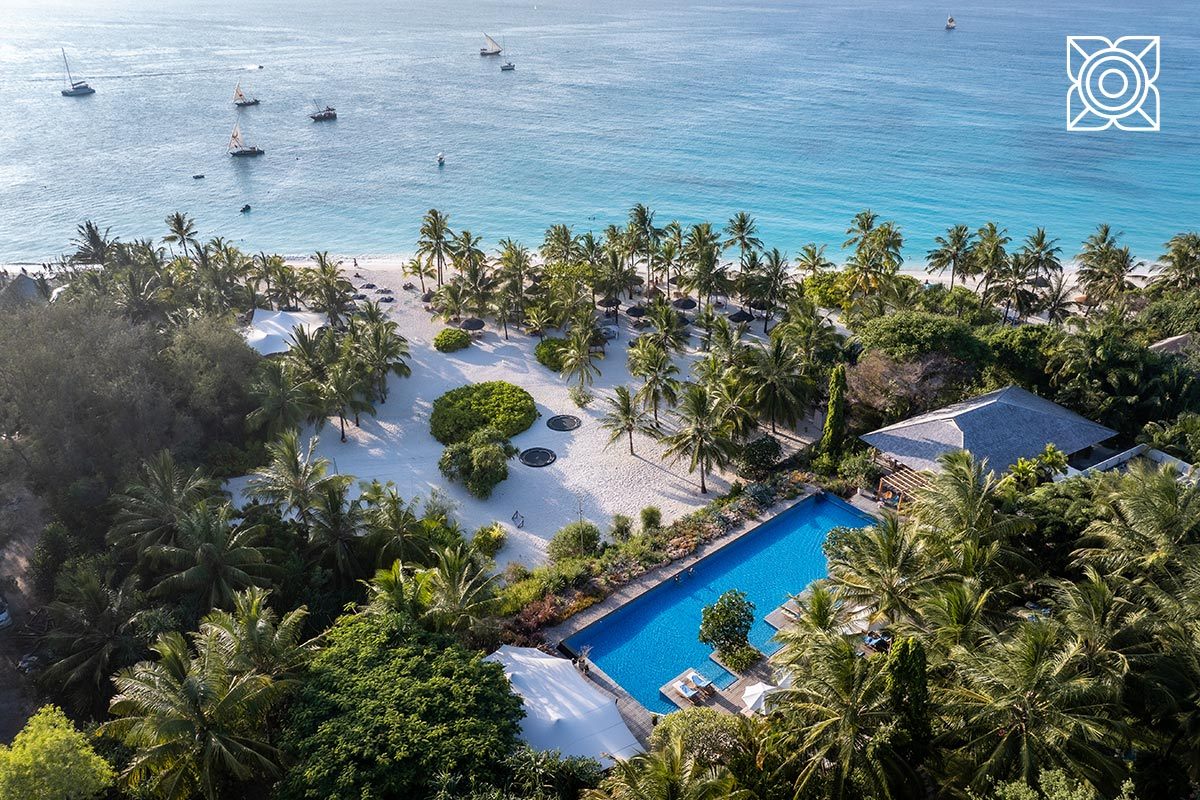
Zuri Zanzibar showcases how deep cultural integration can become a design strength

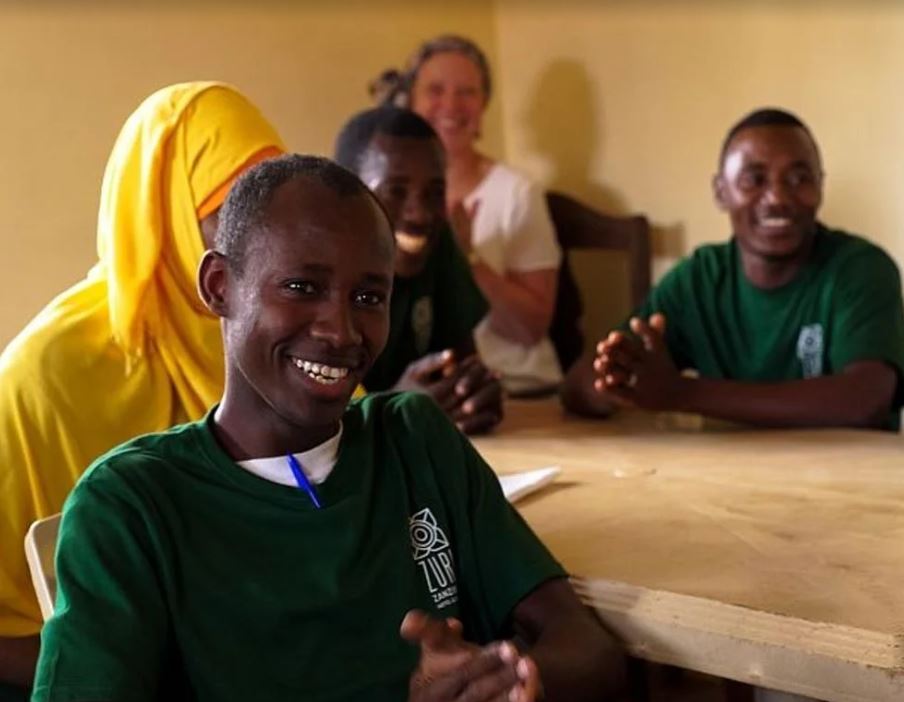
Community Engagement & Vocational Training
Why It Matters
Tourism, when detached from place and people, can become extractive. But when design honors culture and uplifts communities, it becomes transformative. Embedding cultural respect and collaboration into the landscape creates spaces of meaning, continuity, and pride—where sustainability includes not only ecosystems but also stories, skills, and shared futures.
Expert Insight: Dr. Anna Pollock, Regenerative Tourism Advocate
“Regeneration is cultural as much as ecological. The land heals when its people are seen, heard, and included.”