Lighting and Energy in the Landscape
Lighting in coastal hotel landscapes serves multiple roles: safety, ambiance, orientation, and storytelling. But excessive or poorly placed lighting can have severe consequences—disrupting wildlife, wasting energy, and diminishing the nightscape. This chapter explores sustainable lighting practices that reduce impact, enhance guest experience, and harness renewable energy sources.
Solar Path Lights and Shaded PV Canopies
Photovoltaic (PV) solar lighting is increasingly standard in forward-thinking resorts.
- Solar path lights offer elegant, low-energy solutions for trails, gardens, and boardwalks. Advances in battery storage and LED efficiency have made them reliable even in areas with limited sunlight.
- Shaded PV canopies integrate solar panels into pergolas, dining areas, and pool pavilions, generating clean energy while providing shade. When connected to battery storage systems, these can power landscape lighting and other amenities at night.
A 2022 report by the International Renewable Energy Agency (IRENA) noted that decentralized solar systems reduce energy use by 30–50% in coastal hospitality projects while enhancing climate resilience.
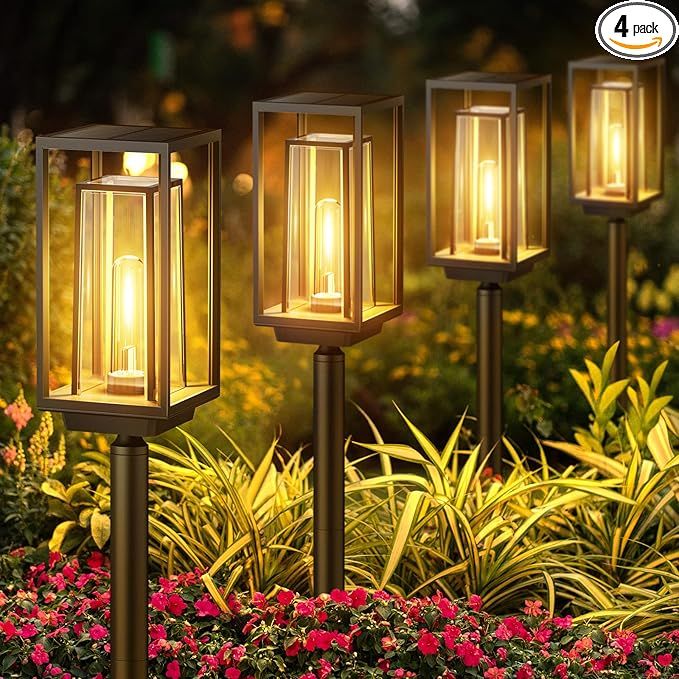
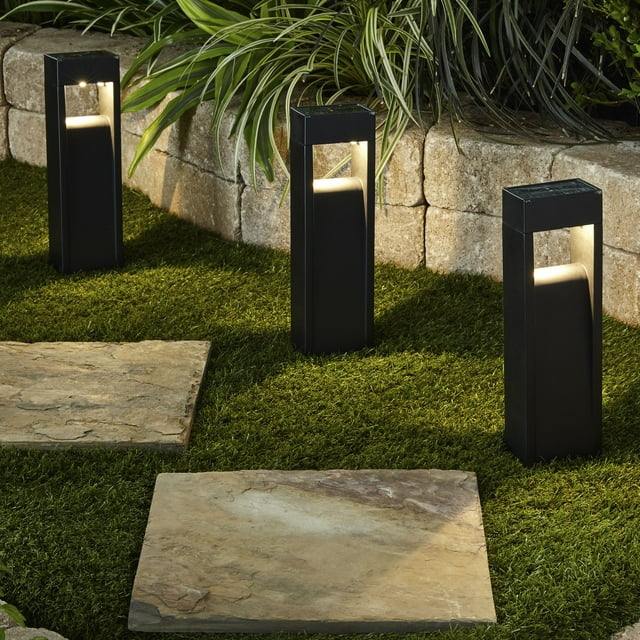
Solar Path Lights (Source:amazon.com) Solar Path Lights (Source:walmart.com)
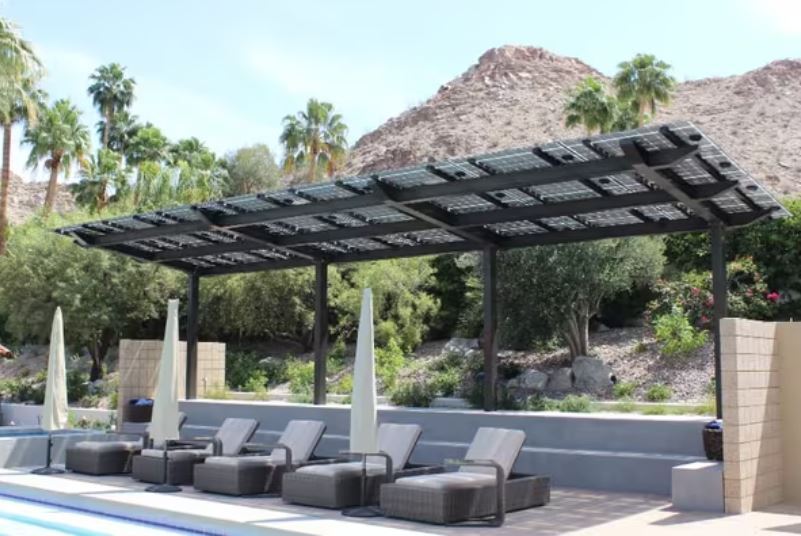
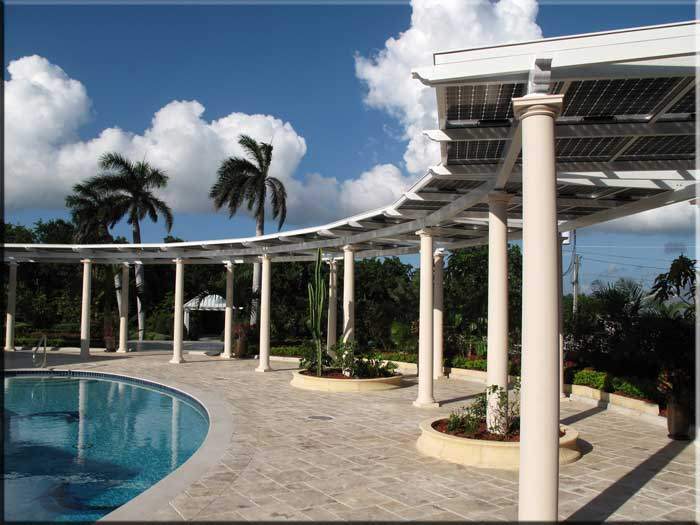
Shaded PV Canopies (Source: lumossolar.com) (Source: floriansolarproducts.com)
Avoiding Light Pollution in Turtle Zones and Fragile Habitats
Light pollution is a critical issue in coastal zones, particularly in areas where endangered sea turtles nest. Artificial light can disorient hatchlings, leading them away from the ocean and into danger.
To minimize ecological impact:
- Use low-wattage, amber-colored LEDs with full cut-off fixtures.
- Shield lights to reduce horizontal glare.
- Set lights on motion sensors or time-based dimming.
- Avoid floodlights near dunes, mangroves, or beach edges.
The Florida Fish and Wildlife Conservation Commission (FWC) has published best practices that have been adopted internationally, proving that thoughtful lighting can protect biodiversity without sacrificing comfort.
Expert Insight: Travis Longcore, Conservation Ecologist
“The dark is part of the coastal ecosystem. Preserving it is as essential as clean water or native plants.”
Smart Lighting Controls and Battery Storage
Technologies such as smart lighting systems allow resort operators to schedule, dim, or shut off lighting according to time, occupancy, or daylight sensors. These not only conserve energy but also reduce light pollution.
Pairing these systems with solar battery storage enables energy independence and provides resilience during power outages. Lithium-ion batteries and modular inverters can now manage lighting, signage, and minor appliances without relying on fossil-fuel backup.
Pool & Deck Lighting Considerations:
- Use fiber optics or recessed LEDs that emit minimal upward light.
- Design with glare control to prevent visual disturbance to nearby natural habitats.
Case Study: Playa Viva, Mexico - Illuminating Sustainability
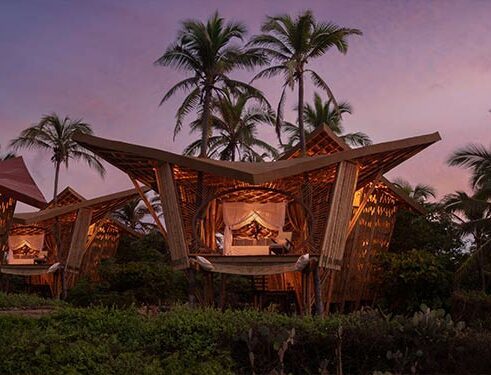
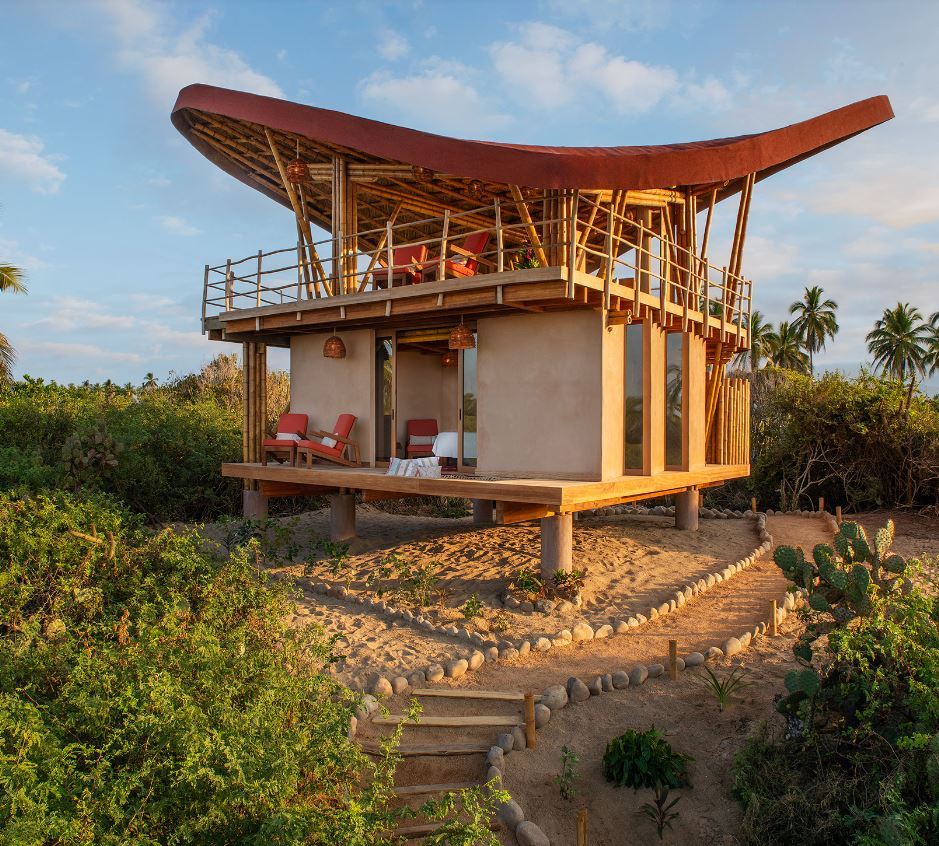
Playa Viva, Mexico (Source:playaviva.com)
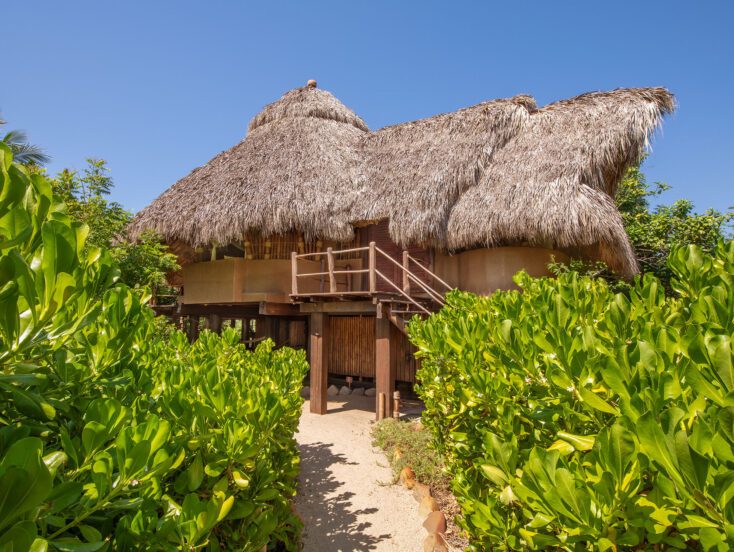
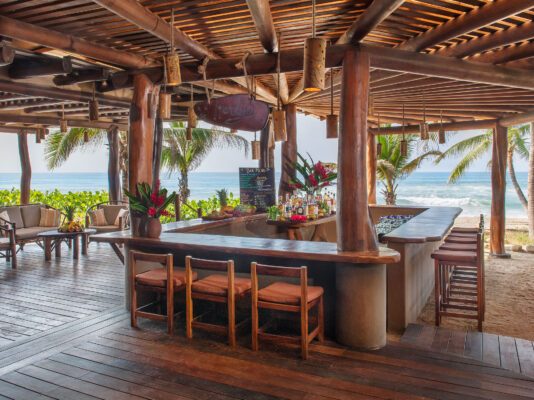
Playa Viva is a boutique eco-resort that exemplifies regenerative design and sustainable practices. Situated along the Pacific coast, the resort operates entirely off-grid, utilizing solar energy and implementing eco-friendly lighting solutions that protect the local wildlife, particularly sea turtles. Playa Viva exemplifies how lighting can be sustainable, safe, and enchanting.
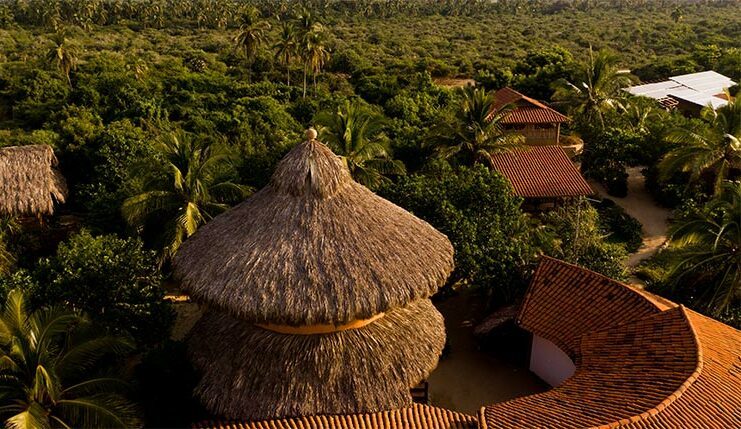
100% Off Grid
Location: Juluchuca, Guerrero, Mexico
Eco-Features:
-
Off-Grid Solar Power: The resort is powered 100% by solar energy, ensuring a minimal carbon footprint and promoting renewable energy use.
-
Turtle-Friendly Lighting: To protect nesting sea turtles, Playa Viva employs amber-colored LED lights with downward-facing fixtures, reducing light pollution and preventing disorientation of hatchlings.
- Motion-triggered path lighting ensures guest safety without excessive illumination.
- Natural materials—like bamboo lamp shades and adobe luminaires—reinforce the resort’s sense of place and sustainability.
-
Natural Cooling Systems: The architectural design incorporates natural ventilation and shading, eliminating the need for air conditioning and enhancing energy efficiency.
-
Community Engagement: Playa Viva supports the local community through initiatives like the La Tortuga Viva turtle sanctuary, providing education and conservation efforts.
Nightly Rate:
Starting from approximately $300 USD per night, varying based on accommodation type and season.
Website:
https://www.playaviva.com
Playa Viva proves that technology and nature can co-exist beautifully with intention and care.

Regenerative Trust, Reforestation and Permaculture


Why It Matters
Lighting choices shape both ecological impact and guest experience. In coastal zones—where starry skies, turtle nesting, and energy security are part of the landscape—every lumen counts. By designing for darkness and efficiency, resorts can create magical environments that also protect the fragile ecosystems around them.
Expert Insight: Jane Slade, Landscape Architect & Lighting Designer
“True sustainability in lighting is about giving just enough—enough light to see, to feel safe, to feel awe. No more, no less.”