Materials & Furnishings – Durable and Ecological Choices
In coastal environments, where salt air, wind, humidity, and UV exposure are relentless, the materials used in outdoor design must do more than just look good—they must last, age gracefully, and leave a lighter footprint on the planet. Chapter 7 focuses on sourcing durable, local, and low-impact materials and furnishings that balance aesthetics with environmental responsibility.
Sourcing Local, Low-Carbon, and Weather-Resistant Materials
Using locally sourced materials not only reduces the carbon footprint associated with transportation but also supports regional economies and crafts. In coastal contexts, this might include limestone, volcanic stone, reclaimed hardwoods, coral-based aggregates (where ethically permissible), or shells in terrazzo finishes.
Weather-resilient materials—such as marine-grade metals, hardwoods like teak and ipe, and bamboo composites—are essential for standing up to salt spray, wind, and moisture without constant maintenance.
A 2022 study in the Journal of Cleaner Production reported that using locally sourced, natural materials can reduce a project’s embodied carbon by up to 45% compared to conventional materials shipped internationally.
Recycled Timbers, Stone, Bamboo, and Marine-Grade Metals
A sustainable approach also includes sourcing recycled or rapidly renewable materials:
- Reclaimed wood: Provides durability and character, often from deconstructed buildings or shipping pallets.
- Bamboo: Fast-growing, strong, and naturally pest-resistant, making it ideal for fencing, decking, and lightweight structures.
- Natural stone: When sourced ethically and locally, stone such as basalt, granite, or limestone can last generations with minimal upkeep.
- Marine-grade stainless steel and aluminum: Resistant to corrosion and ideal for fixtures, rails, and outdoor kitchens.
Expert Insight: William McDonough, Architect & Co-author of "Cradle to Cradle"
“Design is the first signal of human intention. When we choose materials that are safe, regenerative, and locally appropriate, we create landscapes that serve both people and the planet.”
Durable Outdoor Furniture with Minimal Plastic
Hospitality furnishings often succumb quickly to coastal weathering. Investing in high-quality, sustainable outdoor furniture means reducing replacement frequency, waste, and long-term costs:
- Powder-coated aluminum frames resist rust and are lightweight and recyclable.
- Hardwood frames treated with natural oils last longer than synthetic-coated woods.
- Fabrics made from recycled ocean plastics or plant-based fibers (like hemp or linen) are emerging as alternatives to vinyl and synthetics.
- Avoiding PVC and petroleum-based resins in furniture helps reduce toxic off-gassing and environmental harm.
Brands such as Dedon, Ethimo, and Fermob now offer weather-resistant, low-impact collections tailored to hospitality settings.

Papyon Collection - dedon.de

Atolo Collection - dedon.de

Tibbo Collection - dedon.de

Tibbo Collection - dedon.de

Bellevie Collection - fermob.com

Luxembourg Collection - fermob.com

Sixties Collection - fermob.com
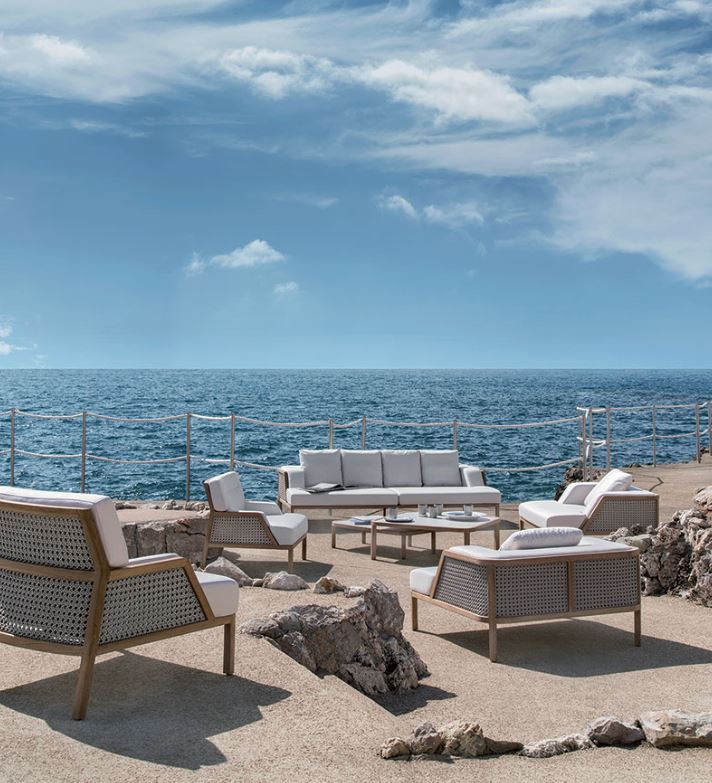
The Grand Life Collection - ethimo.com
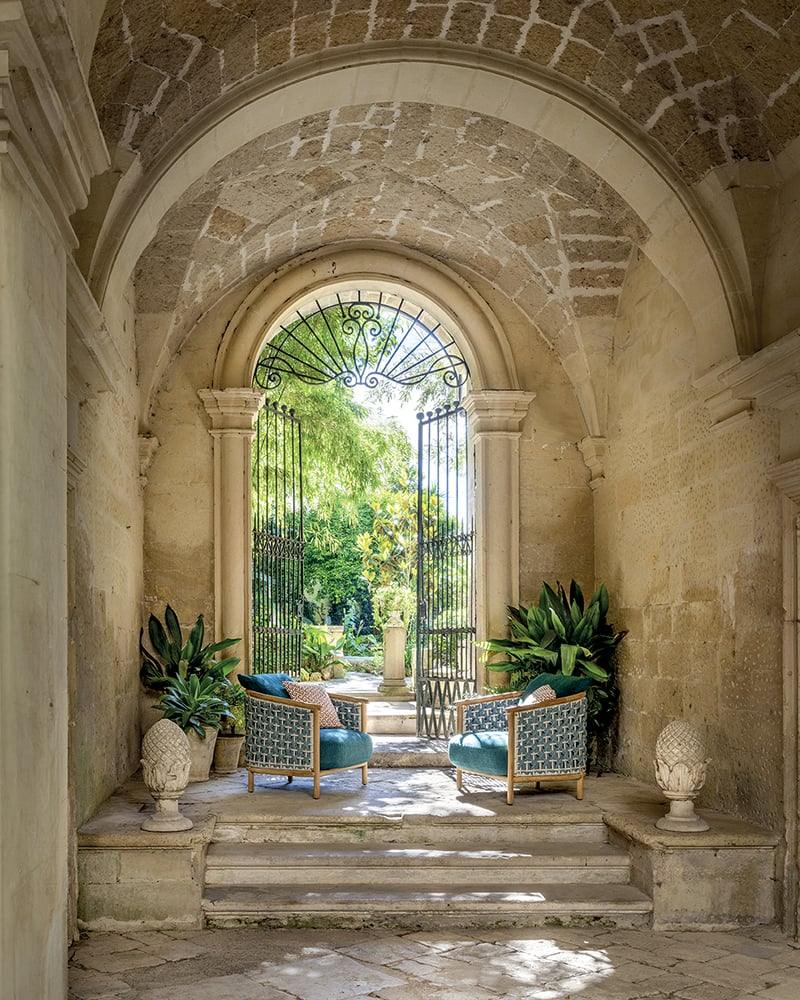
The Patio Collection - ethimo.com
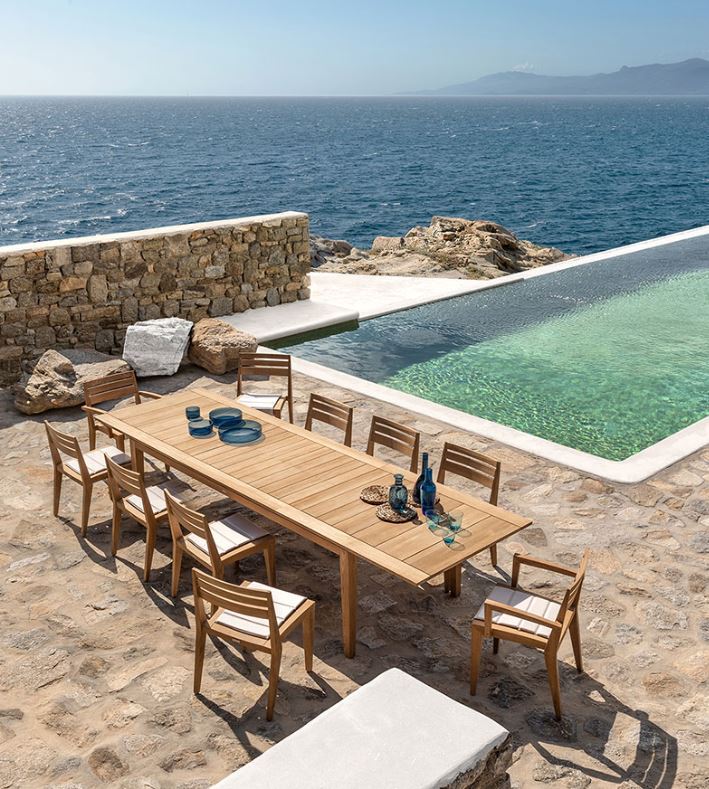
The Ribot Collection - ethimo.com
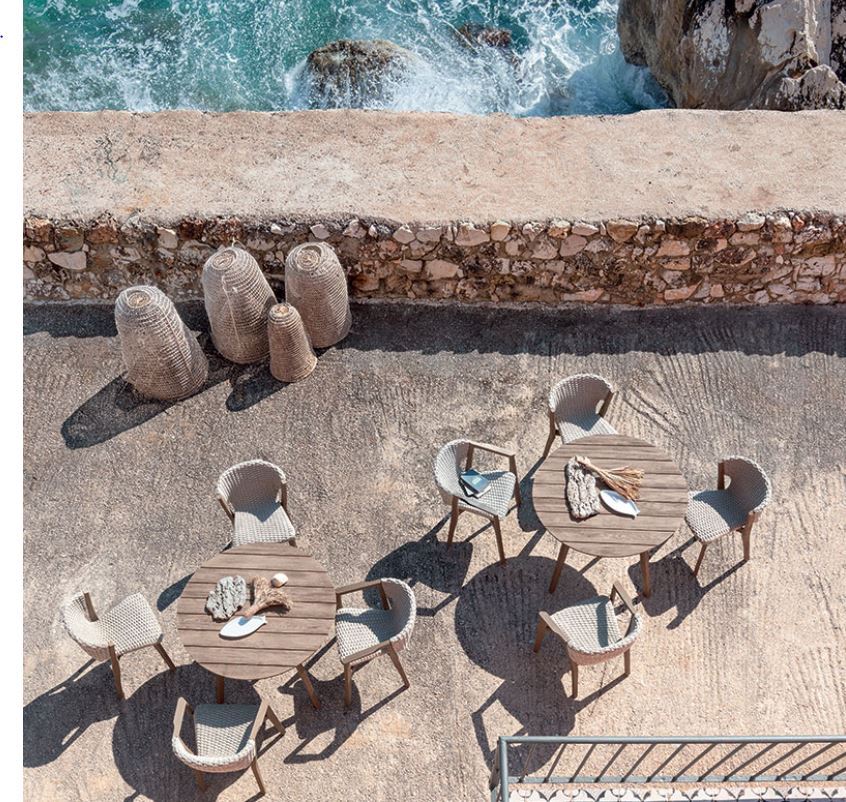
The Knit Collection - ethimo.com
Case Study: Punta Caliza, Isla Holbox, Mexico
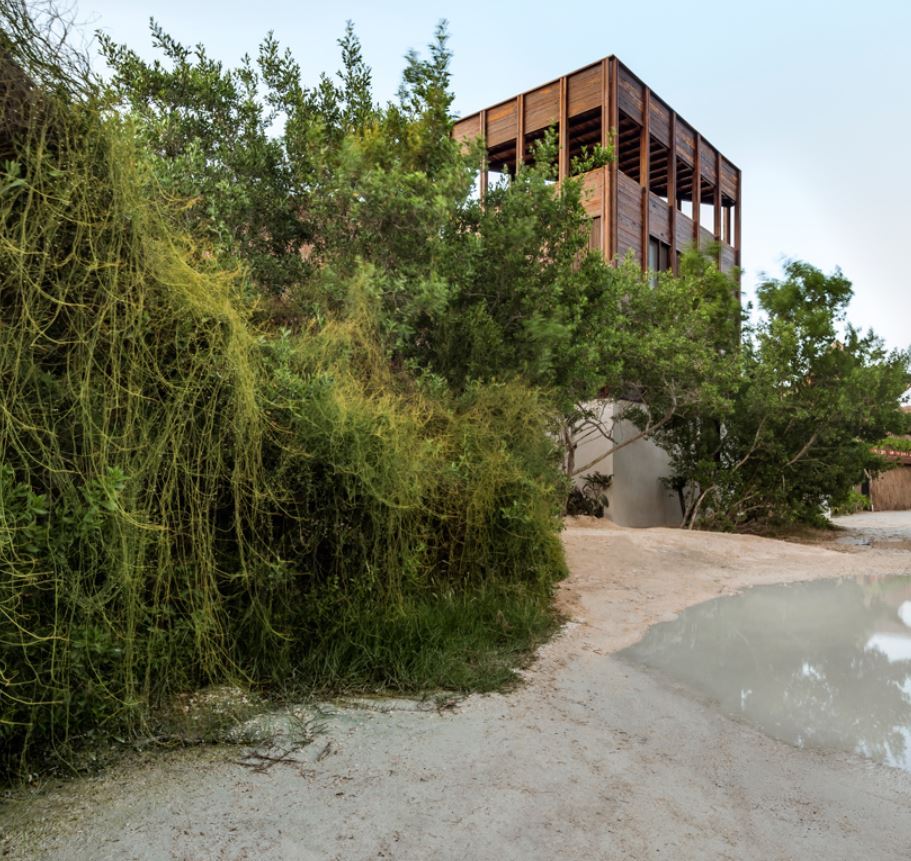
Location:
Isla Holbox, Quintana Roo, Mexico
Eco-Features:
-
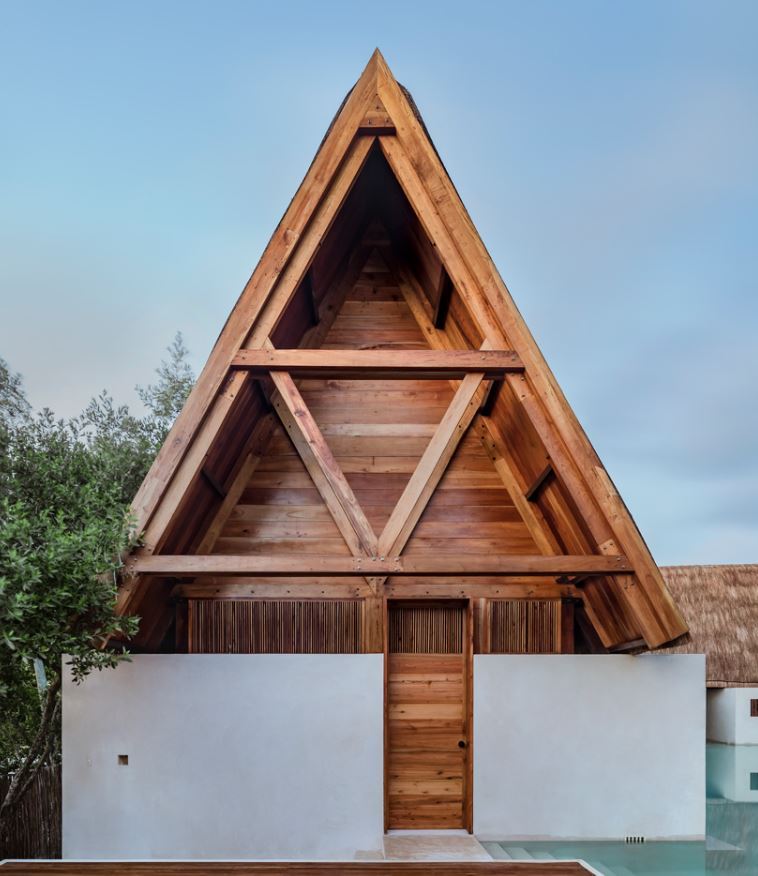
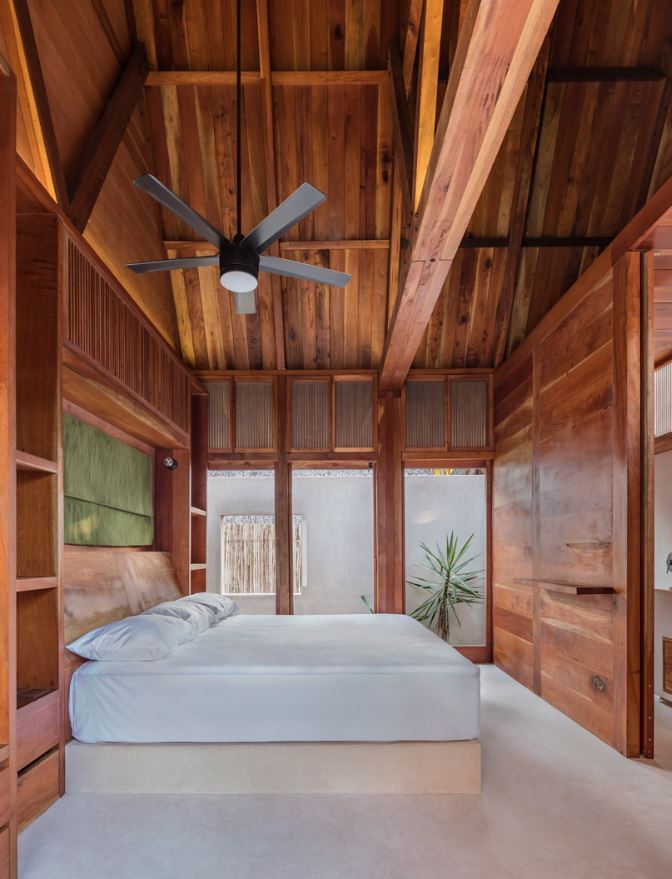
Locally Sourced Materials: The hotel's structures are primarily made from western red cedar harvested from the family's own plantation, reducing transportation emissions and supporting local economies.
-
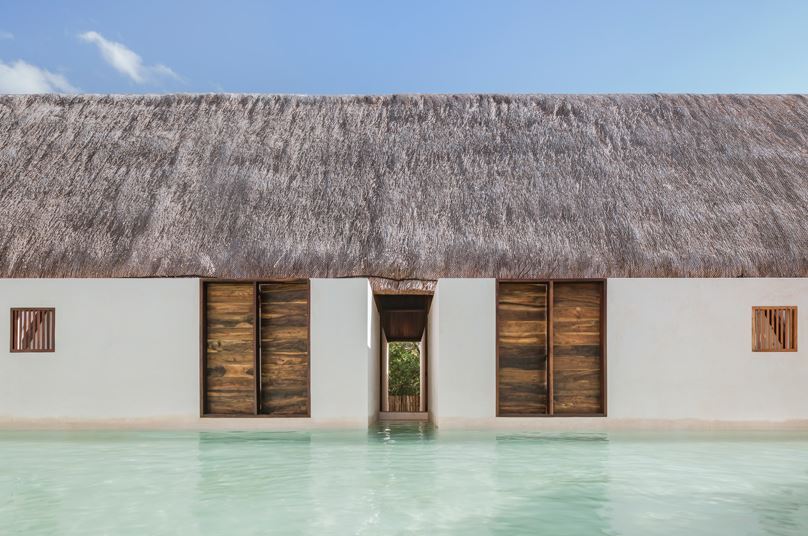
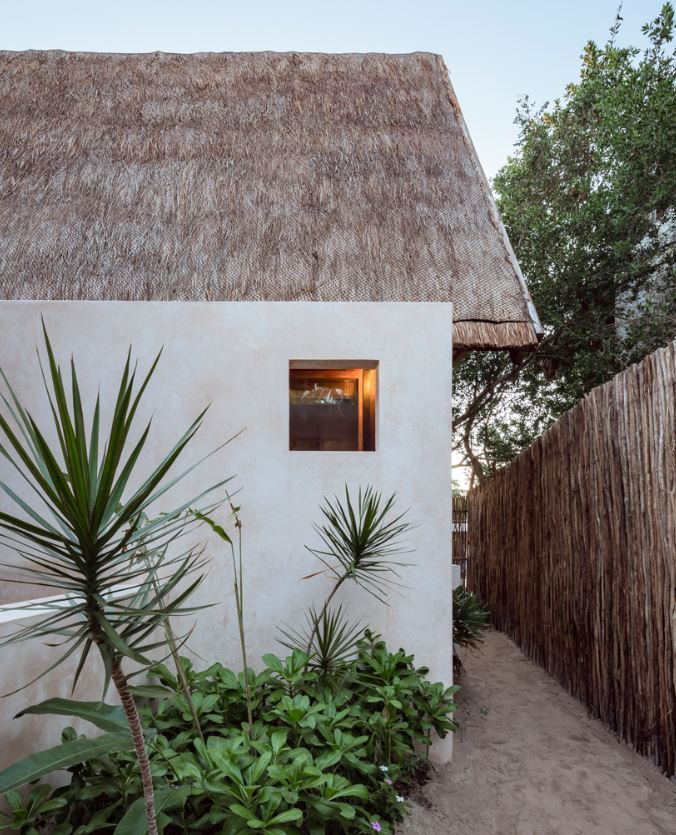
Traditional Construction Techniques: The use of palapa-style thatched roofs, a traditional Mayan roofing method, provides natural insulation and ventilation, minimizing the need for artificial climate control.
- Tropical hardwoods like zapote and tzalam are used for decking and furniture—harvested sustainably and chosen for their resistance to termites and rot.
-
Natural Cooling Systems: The design incorporates water channels that flow throughout the property, naturally cooling the environment and creating a serene atmosphere reminiscent of the island's mangrove swamps.
-
Minimalist Interiors: Rooms are intentionally designed to be comfortable yet minimalistic, reducing the need for excessive furnishings and promoting a sense of tranquility.
- Lime plasters and clay-based finishes protect walls from moisture and reflect heat, maintaining comfort without synthetic insulation.
Nightly Rate: starting from approximately $280 USD per night, varying based on room type and season.
Website: https://www.puntacaliza.com
Punta Caliza’s architecture and furnishings reflect a deep respect for local tradition, natural materials, and climate-adaptive design.
Why It Matters
Material choices in resort landscapes have long-term environmental, cultural, and economic consequences. By selecting locally sourced, recycled, and climate-appropriate materials, designers reduce embodied carbon, minimize maintenance, and enhance the authenticity of place. In the context of coastal hotels, where exposure and vulnerability are high, durable and ecological materials are not just better—they're essential.
Expert Insight: Ilze Dzenovska, Sustainable Materials Consultant
“Good materials tell stories. They age with grace, respect their origins, and carry meaning into every guest experience.”