Monitoring, Maintenance & Education
Designing for sustainability doesn’t end when the last plant is installed or the final stone is laid. In fact, that’s when the most important phase begins: ongoing care, observation, and education. For landscapes in sensitive coastal environments, adaptive maintenance and ecological monitoring are not just best practices—they’re essential lifelines.
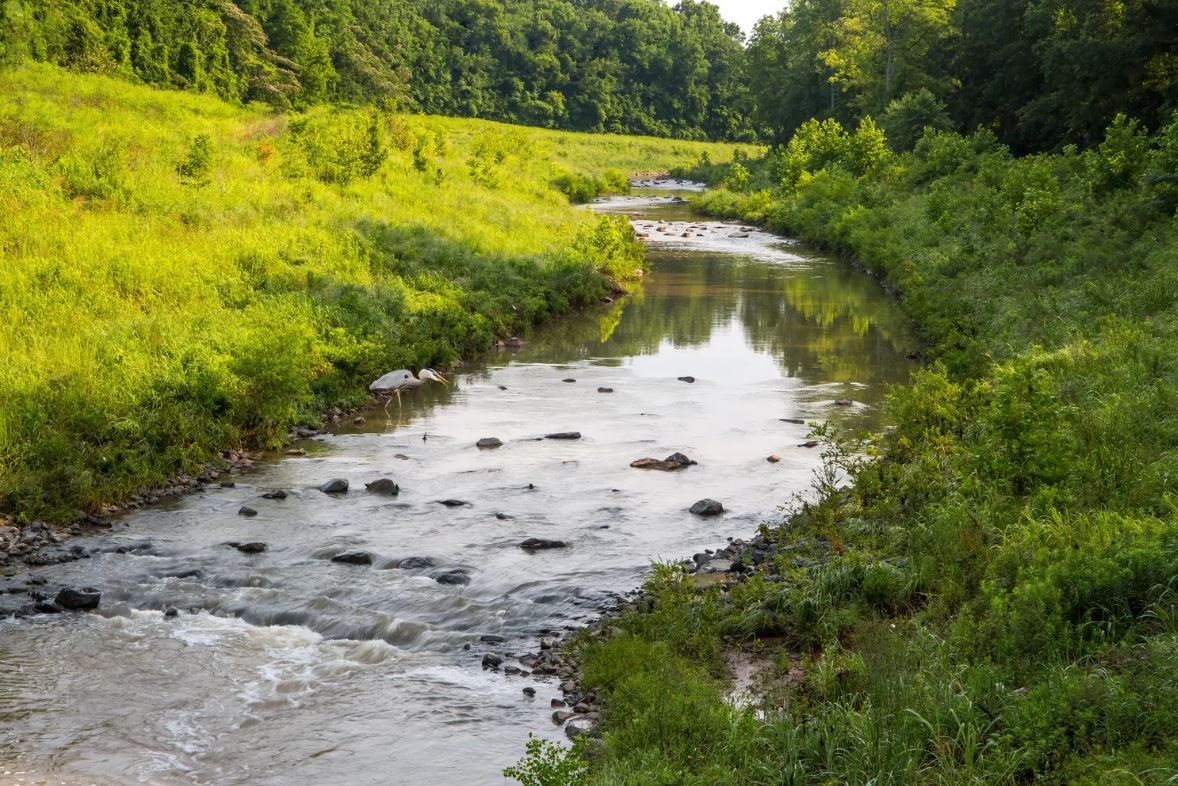
Ongoing Ecological Monitoring and Adaptation
Climate, visitor impacts, plant growth patterns, and erosion rates are dynamic. Long-term landscape success hinges on data collection and responsive adaptation. Monitoring systems should be embedded into the daily operations of the resort and aligned with environmental performance indicators.This may include:
- Regular habitat assessments Involving biologists or trained staff to track key species (pollinators, birds, reptiles), noting seasonal changes, threats, or biodiversity shifts.
- Erosion and drainage audits to adjust swales, mulch depth, or planting techniques. Especially crucial after heavy rains or storm surges, these assessments help adjust slope stabilization efforts, reapply mulch, and ensure swales or rain gardens are performing.
- Biodiversity indexing using simple metrics like pollinator counts or canopy coverage. This includes tracking plant survival rates, flowering cycles, or even amphibian chorus surveys to understand ecological vitality over time.
Digital tools like GIS, wildlife camera traps, and mobile apps (e.g., iNaturalist, EarthRanger) are increasingly accessible and allow even small resorts to adopt a data-driven, proactive approach.
According to the International Federation of Landscape Architects (IFLA), resorts that implement adaptive maintenance protocols show a 40% increase in long-term landscape resilience and guest satisfaction.
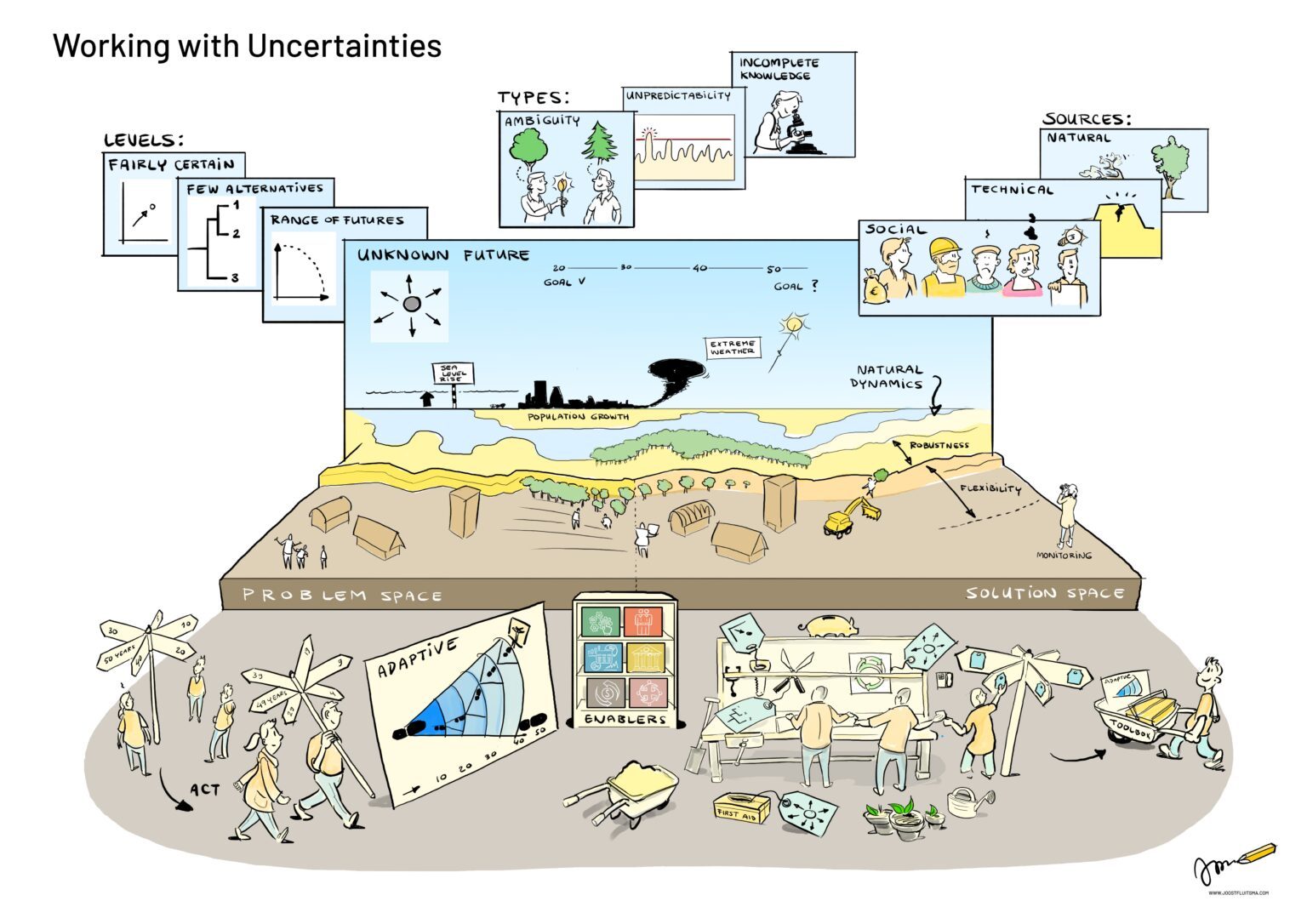
Adaptive Management, Maintenance and Monitoring (Source: ecoshape.org)
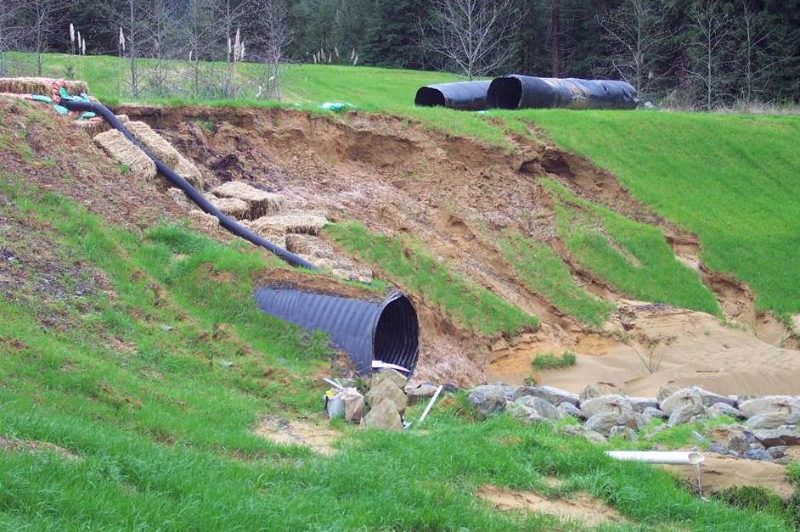
Erosion and Drainage Audit (Source:psipropertyservices.com)
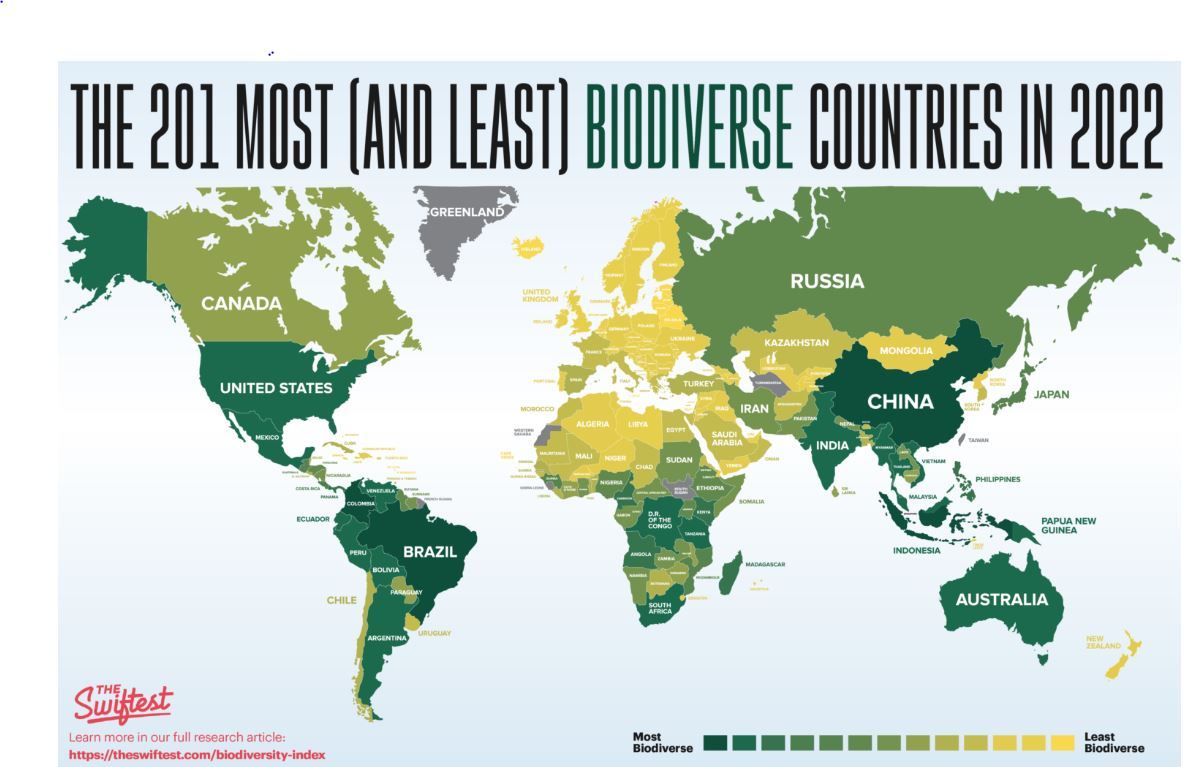
Global Biodiversity Map 2022 (Source: theswiftest.com)
Training Staff in Regenerative Landscape Practices
A sustainable resort landscape is only as strong as the team caring for it. This means moving beyond conventional groundskeeping and empowering staff with regenerative knowledge: nurturing soil, observing life cycles, and adapting practices with ecological literacy. Best practices include:
- Training in composting, mulching, seed collection, and water-wise care.
- Cross-training with local ecological experts, nurseries or NGOs.
- Empowering grounds staff to report environmental shifts, not just maintain appearance.
This collaborative, informed stewardship creates a workforce that is both skilled and ecologically literate.
Expert Insight: Edwina von Gal, Landscape Designer & Founder of the Perfect Earth Project
“Maintenance is design. When we train stewards, we sustain beauty and biodiversity.”
Guest Interpretation Materials and Nature-Based Activities
Tourists are increasingly seeking experiences that connect them to local culture and ecology. A coastal resort that uses its landscape as a teaching tool—not just an aesthetic background—creates more memorable and meaningful stays.
Engaging visitors with the surrounding ecology adds meaning and memory to their stay. It turns the landscape from a backdrop into a learning experience:
- Interactive signage explaining native plants, coastal processes, or sustainability features.
- QR-coded trail maps linking to videos or AR experiences.
- Nature-based activities like birdwatching, guided tidepool walks, or hands-on permaculture sessions.
These initiatives create lasting impressions and support destination stewardship.
The Global Sustainable Tourism Council (GSTC) encourages all certified resorts to provide ecological education
to guests, noting it leads to higher retention, positive reviews, and environmental advocacy.
Case Study: Jetwing Surf, Sri Lanka - A Model of Sustainable Stewardship
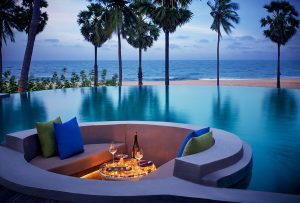
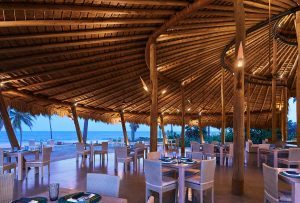
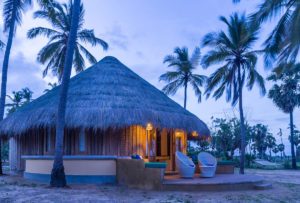
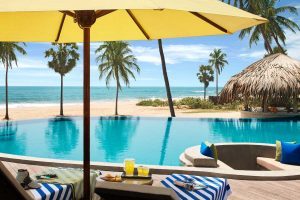
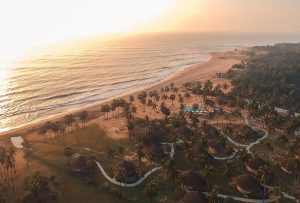
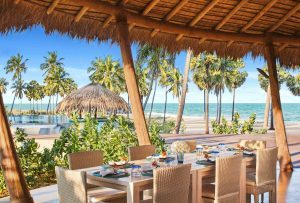
Jetwing Surf is an eco-luxury resort that exemplifies sustainable practices through its commitment to environmental monitoring, regenerative maintenance, and community education. Situated on the pristine eastern coast of Sri Lanka, the resort integrates traditional design with modern sustainability principles.
Location: Pottuvil Point, Arugam Bay, Sri Lanka
Eco-Features:
-
Environmental Monitoring: The resort onducts regular assessments of shoreline movement, erosion control, and reforestation progress. The resort works with ecologists and GIS specialists to map dune stability and track native vegetation recovery, ensuring minimal disruption to coastal processes. This data-driven approach allows the resort to adaptively manage the dynamic shoreline environment and maintain a healthy buffer zone.
- Regenerative Maintenance: Jetwing Surf employs local horticulturists and landscape teams who are trained in organic gardening, permaculture principles, and traditional Sri Lankan planting techniques. Instead of relying on chemical pesticides or synthetic fertilizers, the landscape is maintained through composting, mulching, and natural pest control. This regenerative system supports pollinators, birds, and coastal biodiversity while creating a lush, resilient environment for guests.
- Guest Education: Environmental engagement is woven into the guest experience through curated nature walks, beach clean-ups, and educational signage that highlights local flora, fauna, and cultural practices. Programs also include collaborations with nearby schools to raise awareness about marine and dune ecosystems, turning the resort into a hub for environmental education in the region.
-
Staff Empowerment: All team members at Jetwing Surf receive environmental training as part of their onboarding process. This includes modules on sustainable waste management, water conservation, and guest communication strategies. Staff are encouraged to participate in environmental reporting and contribute ideas for improving sustainability initiatives, fostering a strong culture of stewardship.
Nightly Rate:
Starting from approximately $250 USD per night, varying based on accommodation type and season.
Website: https://www.jetwinghotels.com/jetwingsurf/
Jetwing Surf demonstrates that sustainability and luxury can coexist harmoniously. Its approach to regenerative landscape maintenance, proactive monitoring, and inclusive education not only enhances the ecological resilience of the coastline but also enriches the cultural and experiential depth of the guest journey.
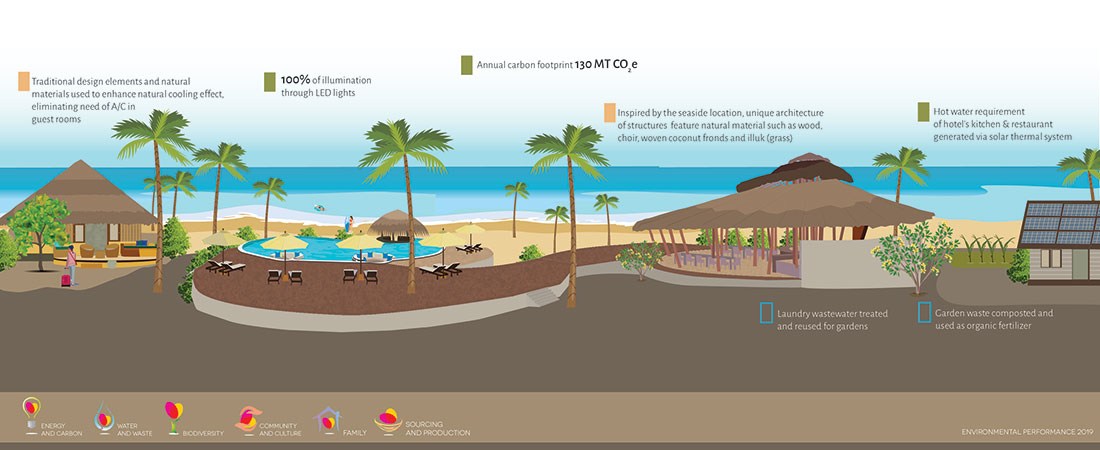
Jetwing Surf - Environmental Performance (Source:jetwinghotels.com)
Why It Matters
Designing for the future means preparing for change. Through continuous monitoring, empowered maintenance teams, and guest education, hotels and resorts can ensure their landscapes remain vibrant, biodiverse, and resilient. These systems don’t just preserve—they evolve, heal, and teach.
Expert Insight: Dr. Nalini Nadkarni, Forest Ecologist
“Every visitor is a potential steward. When we open the door to wonder and knowledge, we grow a forest of caretakers.”